10 Best Wen Generators 2026 in the United States
Winner
Generac Guardian 22kW Home Standby Generator with 200 Amp Transfer Switch - Automatic Whole House Backup Power for Storms, Emergencies, and Outages, WiFi Enabled, Runs on Natural Gas or Liquid Propane
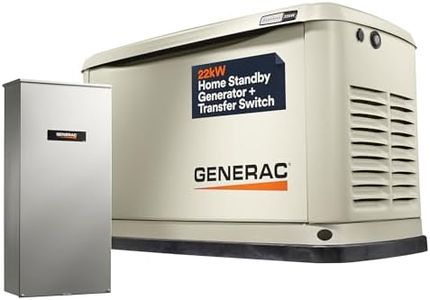


Generac Guardian 22kW Home Standby Generator with 200 Amp Transfer Switch - Automatic Whole House Backup Power for Storms, Emergencies, and Outages, WiFi Enabled, Runs on Natural Gas or Liquid Propane
Chosen by 1277 this week
Generac 14kW Home Standby Generator for home use, built-in cellular connectivity, whole house generator for power backup
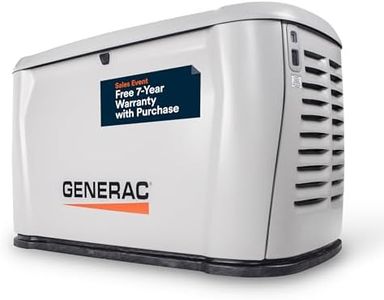
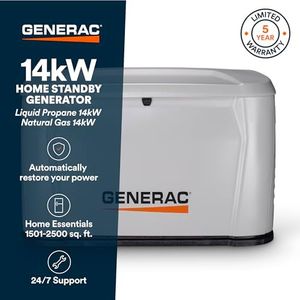
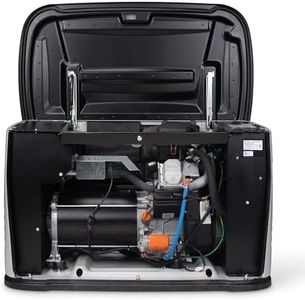

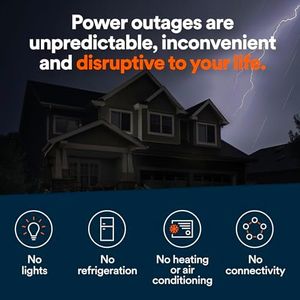
Generac 14kW Home Standby Generator for home use, built-in cellular connectivity, whole house generator for power backup
Generac Guardian 10kW Home Standby Generator with 100 Amp Transfer Switch - Automatic Whole House Backup Power for Storms, Emergencies, and Outages, WiFi Enabled, Runs on Natural Gas or Liquid Propane
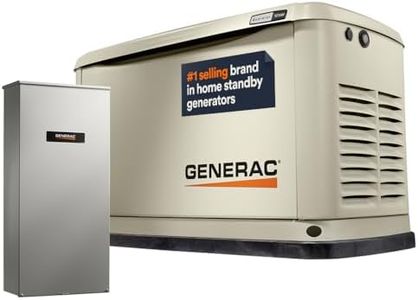
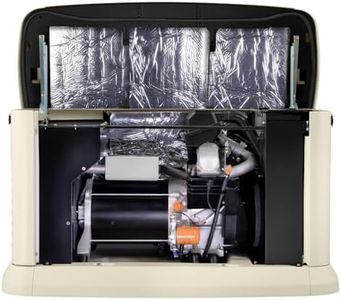
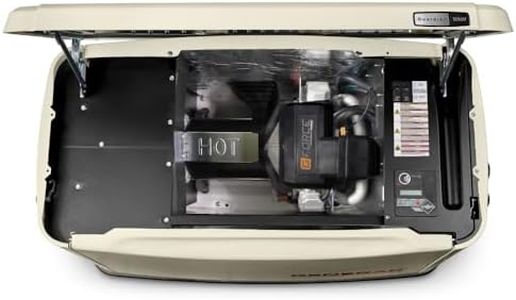
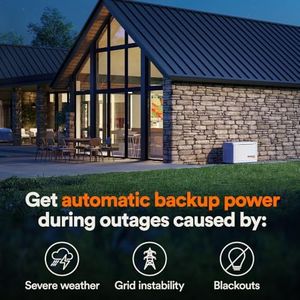
Generac Guardian 10kW Home Standby Generator with 100 Amp Transfer Switch - Automatic Whole House Backup Power for Storms, Emergencies, and Outages, WiFi Enabled, Runs on Natural Gas or Liquid Propane
WEN 13,000-Watt 120V/240V Tri-Fuel Inverter Generator with Quiet 550cc Engine, Electric Start, Wheel Kit, and CO Watchdog, Gas, Propane, and Natural Gas Powered (TF1300iX)
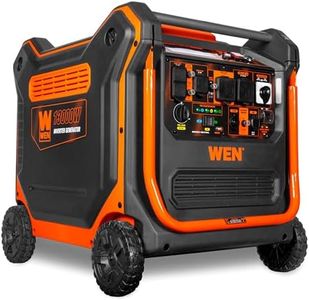
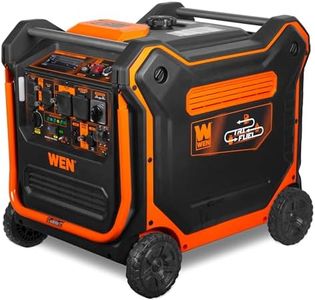
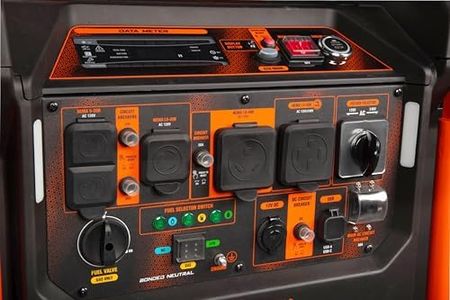
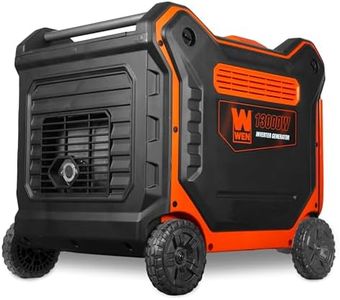

WEN 13,000-Watt 120V/240V Tri-Fuel Inverter Generator with Quiet 550cc Engine, Electric Start, Wheel Kit, and CO Watchdog, Gas, Propane, and Natural Gas Powered (TF1300iX)
WEN DF451i Super Quiet 4500-Watt Electric Start Dual Fuel RV-Ready Portable Inverter Generator with Fuel Shut-Off
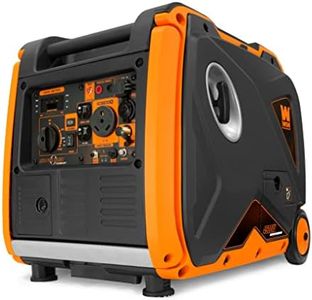
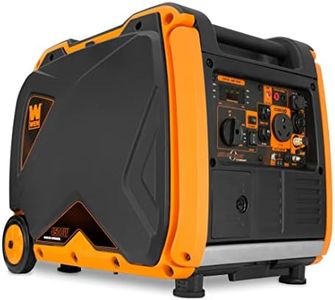
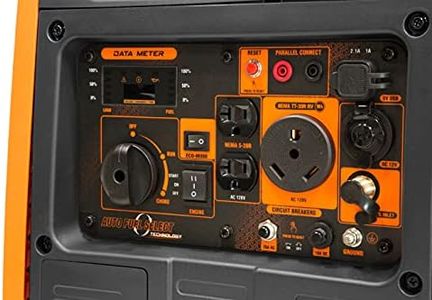
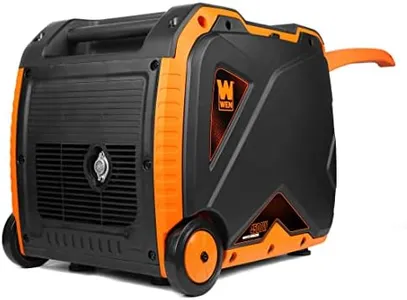
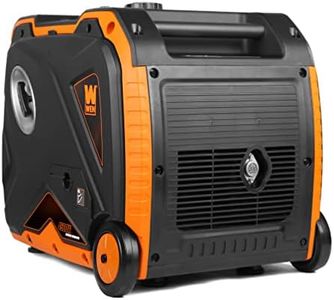
WEN DF451i Super Quiet 4500-Watt Electric Start Dual Fuel RV-Ready Portable Inverter Generator with Fuel Shut-Off
Related Products
Up to 28% off
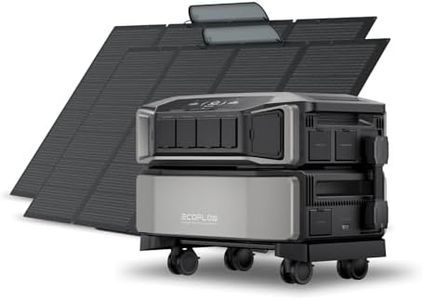
WEN Quiet and Lightweight 4800-Watt Dual Fuel RV-Ready Electric Start Portable Inverter Generator with Fuel Shut Off and CO Watchdog (DF480iX)
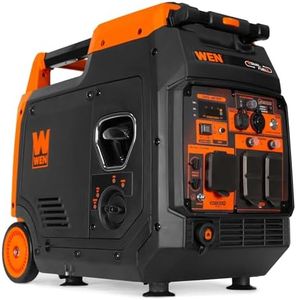
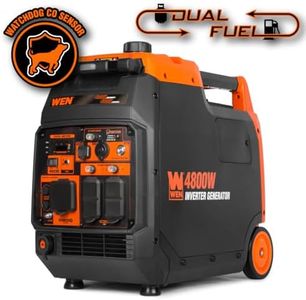
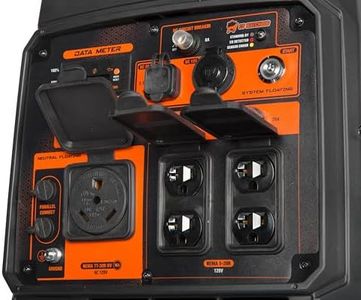
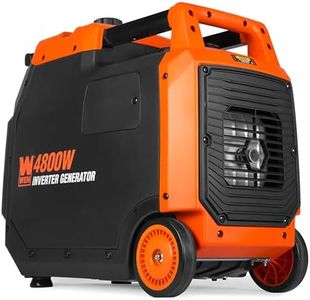

WEN Quiet and Lightweight 4800-Watt Dual Fuel RV-Ready Electric Start Portable Inverter Generator with Fuel Shut Off and CO Watchdog (DF480iX)
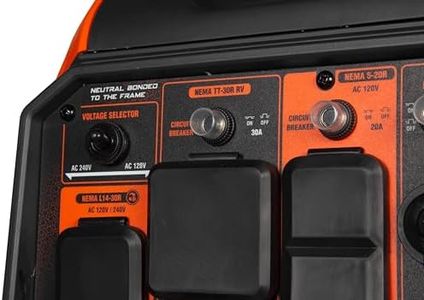
WEN 6800-Watt Dual Fuel RV-Ready Electric Start Portable Inverter Generator with Fuel Shut Off and CO Watchdog for Electric Vehicle Backup (DF680iX)
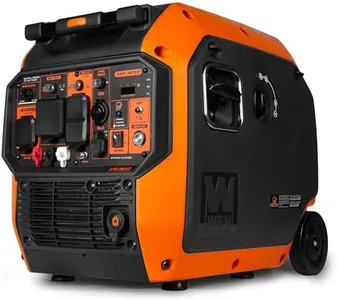
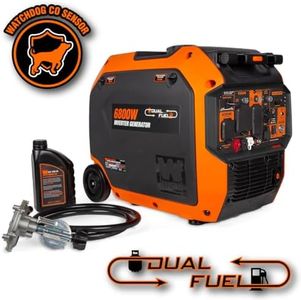
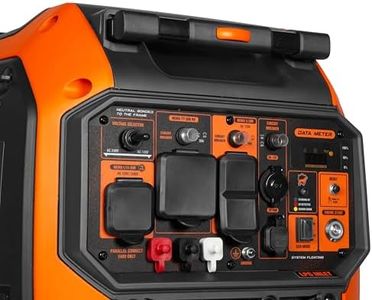
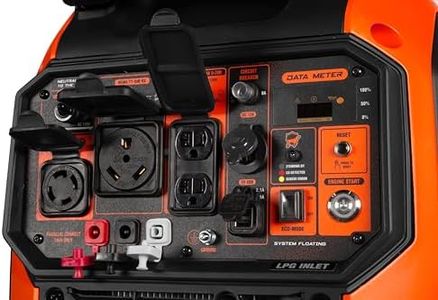
WEN 6800-Watt Dual Fuel RV-Ready Electric Start Portable Inverter Generator with Fuel Shut Off and CO Watchdog for Electric Vehicle Backup (DF680iX)
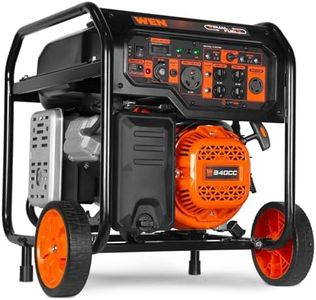
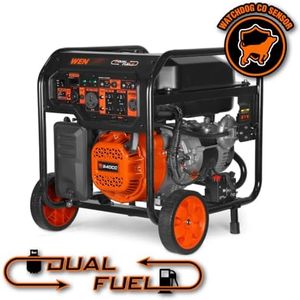
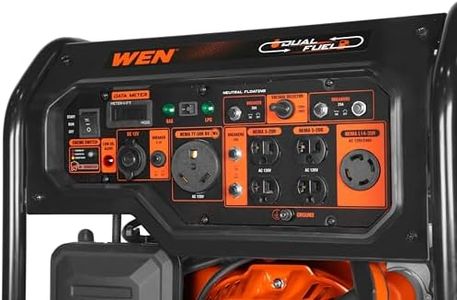
WEN 8000-Watt 120V/240V Dual Fuel Portable Generator, Electric Start, 340cc, Transfer-Switch and RV-Ready with CO Watchdog (DF8000X)
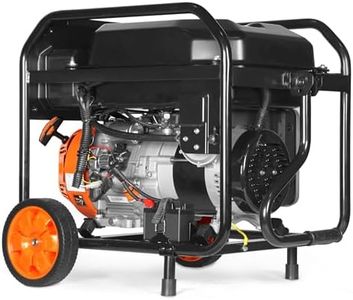
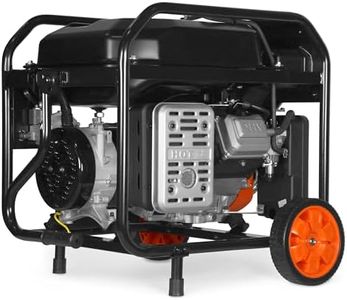
WEN 8000-Watt 120V/240V Dual Fuel Portable Generator, Electric Start, 340cc, Transfer-Switch and RV-Ready with CO Watchdog (DF8000X)
WEN 4800-Watt Portable Inverter Generator, Electric Start, RV-Ready, Quiet and Lightweight with Fuel Shut Off and CO Watchdog (56480iX)
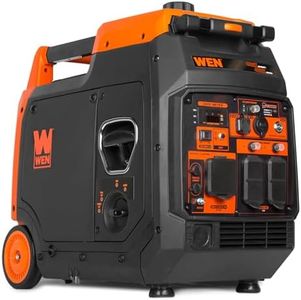

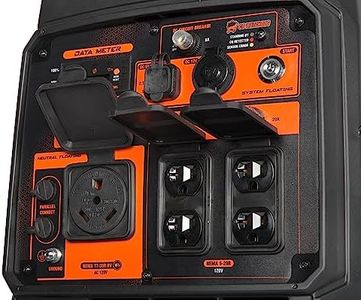

WEN 4800-Watt Portable Inverter Generator, Electric Start, RV-Ready, Quiet and Lightweight with Fuel Shut Off and CO Watchdog (56480iX)
WEN Quiet and Lightweight 4800-Watt RV-Ready Portable Inverter Generator with Fuel Shut Off (56477i)
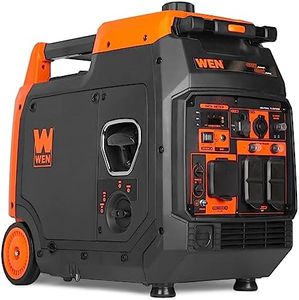

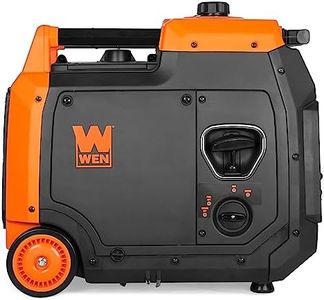
WEN Quiet and Lightweight 4800-Watt RV-Ready Portable Inverter Generator with Fuel Shut Off (56477i)
Recommended lists

Our technology thoroughly searches through the online shopping world, reviewing hundreds of sites. We then process and analyze this information, updating in real-time to bring you the latest top-rated products. This way, you always get the best and most current options available.

Our Top Picks
Winner
Generac Guardian 22kW Home Standby Generator with 200 Amp Transfer Switch - Automatic Whole House Backup Power for Storms, Emergencies, and Outages, WiFi Enabled, Runs on Natural Gas or Liquid Propane
Most important from
255 reviews
The Generac Guardian 22kW Home Standby Generator is a powerful and reliable option for homeowners needing backup power during storms or outages. It delivers a strong 22,000 watts of clean, stable power, enough to run most household appliances and systems simultaneously. This generator runs on either natural gas or liquid propane, offering flexible fuel options depending on your home's setup. It features an automatic electronic start, meaning it kicks on right when the power goes out without any manual effort, which is very convenient during emergencies.
One of its standout features is the smart 200 Amp transfer switch included, which automatically shifts your home's power source to the generator when needed, providing seamless whole-house coverage. The unit also supports remote monitoring through Wi-Fi, so you can check its status and receive maintenance alerts from anywhere, giving extra peace of mind.
In terms of noise and portability, this model is designed for home installation and is fairly heavy at 466 pounds, so it’s not portable but meant to be a permanent fixture outside your home. It’s built with a fully enclosed aluminum design that helps reduce noise and protects the unit from weather. While it’s engineered to run quietly for its size, expect typical standby generator noise during operation. Installation should be done by a licensed electrician, which adds some extra cost and planning but ensures safety and compliance. The 5-year warranty backs its durability, and the engine is designed for low maintenance and long life. This generator is suitable for homeowners looking for a dependable, hands-off backup power solution that covers an entire house. Its high wattage, dual-fuel capability, automatic operation, and remote monitoring are great strengths. The main trade-offs are its size, weight, and the need for professional installation, making it less suitable if you want something portable or simple to set up yourself.
Most important from
255 reviews
Generac 14kW Home Standby Generator for home use, built-in cellular connectivity, whole house generator for power backup
The Generac 14kW Home Standby Generator is designed to provide whole-house backup power during outages, making it a strong choice for homeowners wanting reliable and automatic protection. With a power output of 14,000 watts, it can comfortably run essential home systems like heating, cooling, refrigeration, and lights simultaneously. It uses fuel efficiently thanks to electronic controls that optimize consumption and lower emissions, which can help save money over time. This model has a fully enclosed design that reduces noise and is described as super quiet, which is a big plus for residential areas.
The generator features an electronic ignition system for easy start-up and improved performance in cold weather, making it dependable year-round. Portability is limited as it weighs 391 pounds and is built for permanent installation outside your home rather than moving around. A standout feature is the built-in cellular connectivity that lets you monitor and control the generator remotely via a smartphone app, providing peace of mind even when you're away. It’s compatible with smart home devices and battery systems, allowing integration for better energy management.
The dual-fuel capability and automatic idle control help manage fuel use efficiently during operation. The 5-year warranty and positive customer reviews add confidence in its durability and quality. Professional installation is required, which can increase upfront costs. This generator is ideal for homeowners seeking a quiet, powerful, and smart standby power solution rather than a portable or temporary backup option.
Generac Guardian 10kW Home Standby Generator with 100 Amp Transfer Switch - Automatic Whole House Backup Power for Storms, Emergencies, and Outages, WiFi Enabled, Runs on Natural Gas or Liquid Propane
The Generac Guardian 10kW Home Standby Generator is designed to keep your entire home running smoothly during power outages. It delivers a strong 10,000 watts of clean and stable power, enough to cover most household needs comfortably. This unit runs on natural gas or liquid propane, offering flexibility depending on your fuel availability. It automatically starts when the power goes out, so you don’t have to lift a finger, which is a big plus during emergencies. The generator is relatively quiet for its size, thanks to Generac's technology, making it less disruptive when running.
It’s built for outdoor use with a durable aluminum case and comes with a 100 Amp transfer switch that easily connects to your home’s electrical system. Thanks to Wi-Fi connectivity, you can monitor its status and performance from your phone, which adds convenience and peace of mind. While it offers excellent home coverage, the unit is quite heavy (around 338 pounds), so it’s not something you would move around frequently — it’s meant to be installed in one spot by a professional electrician.
If you want a reliable, automatic whole-house backup solution that can run on common fuel types and provide quiet operation, this generator performs well. It’s especially suitable for homeowners looking for a dependable standby power source that requires minimal maintenance and offers remote monitoring. The price and installation requirements may be more than what casual or light users need, but for those prepared for serious backup power, it’s a strong choice.