10 Best Generators 2026 in the United States
Winner
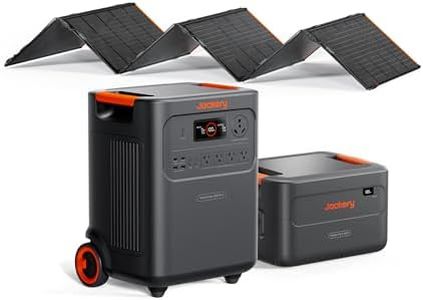
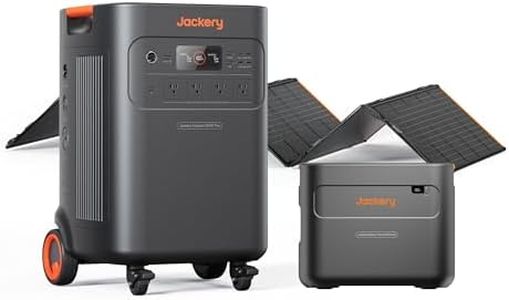
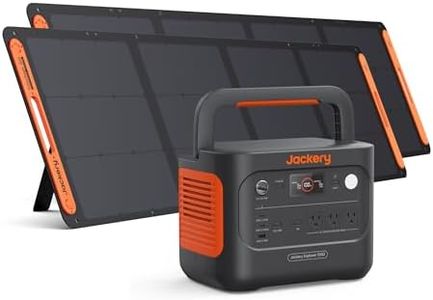
Jackery Solar Generator 1000 v2 with 200W Solar Panel, 1070Wh Portable Power Station, LiFePO4 Battery, 1500W AC Output, 1 Hr Fast Charge, for Camping, Emergency, RV, Off-Grid (Dune White)
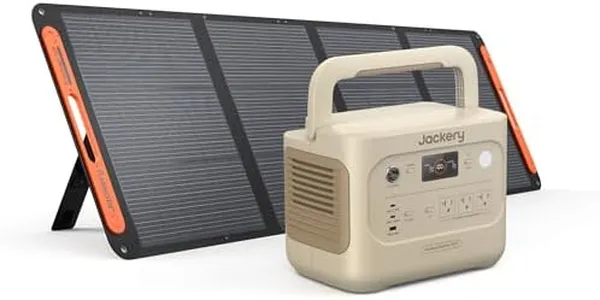
Jackery Solar Generator 1000 v2 with 200W Solar Panel, 1070Wh Portable Power Station, LiFePO4 Battery, 1500W AC Output, 1 Hr Fast Charge, for Camping, Emergency, RV, Off-Grid (Dune White)
Chosen by 1216 this week
Generac 26kW Whole Home Generator, Transfer Switch & Cellular Capability
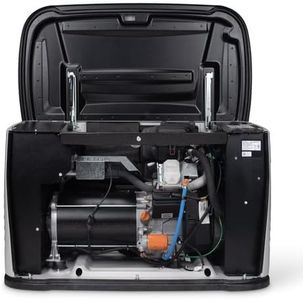
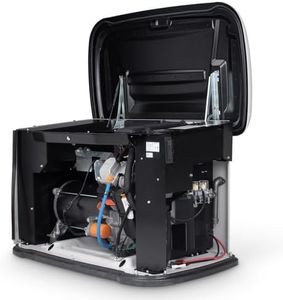
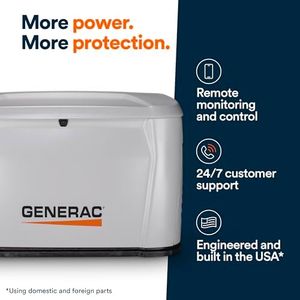
Generac 26kW Whole Home Generator, Transfer Switch & Cellular Capability
Generac 22kW Whole Home Generator, Transfer Switch & Cellular Capability
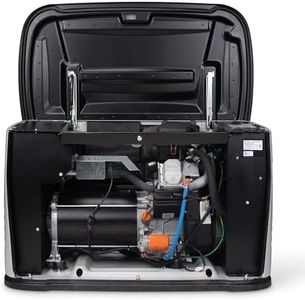
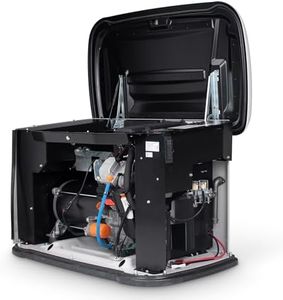
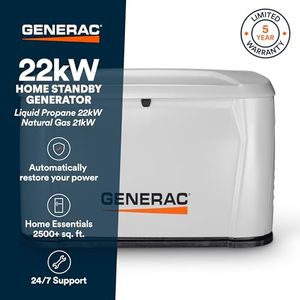
Generac 22kW Whole Home Generator, Transfer Switch & Cellular Capability
Generac Guardian 26kW Home Standby Generator with 200 Amp Transfer Switch - Automatic Whole House Backup Power for Storms, Emergencies, and Outages, WiFi Enabled, Runs on Natural Gas or Liquid Propane
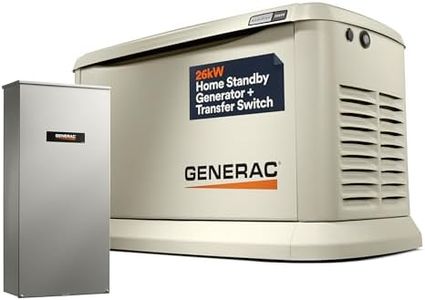

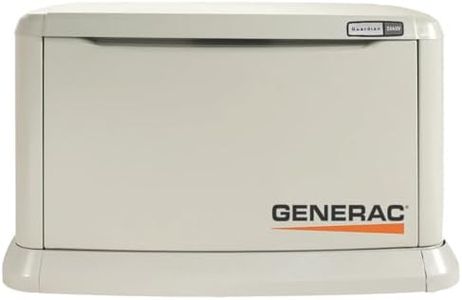
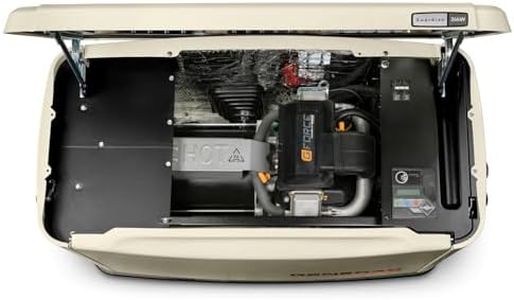

Generac Guardian 26kW Home Standby Generator with 200 Amp Transfer Switch - Automatic Whole House Backup Power for Storms, Emergencies, and Outages, WiFi Enabled, Runs on Natural Gas or Liquid Propane
Generac Guardian 22kW Home Standby Generator with 200 Amp Transfer Switch - Automatic Whole House Backup Power for Storms, Emergencies, and Outages, WiFi Enabled, Runs on Natural Gas or Liquid Propane
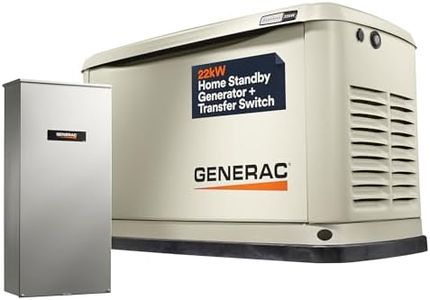


Generac Guardian 22kW Home Standby Generator with 200 Amp Transfer Switch - Automatic Whole House Backup Power for Storms, Emergencies, and Outages, WiFi Enabled, Runs on Natural Gas or Liquid Propane
Related Products
Up to 28% off
Generac 22kW Home Standby Generator for home use, built-in cellular connectivity, whole house generator for power backup
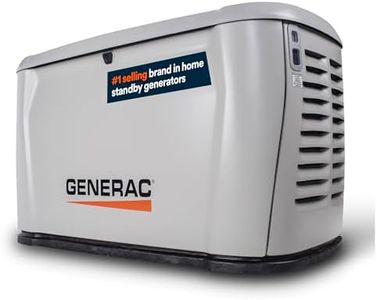
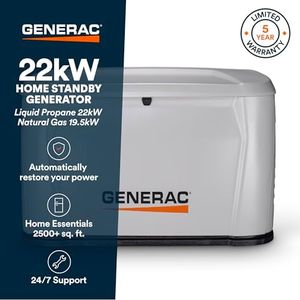
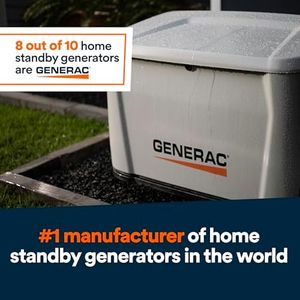
Generac 22kW Home Standby Generator for home use, built-in cellular connectivity, whole house generator for power backup
Generac 26kW Whole Home Generator, Cellular Capability
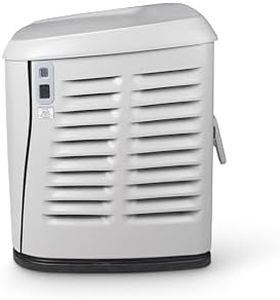
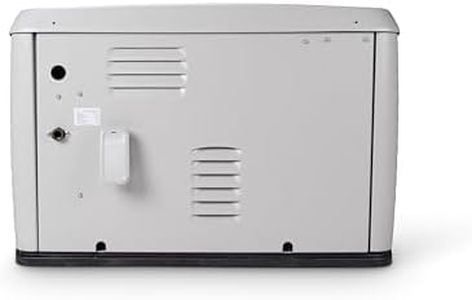
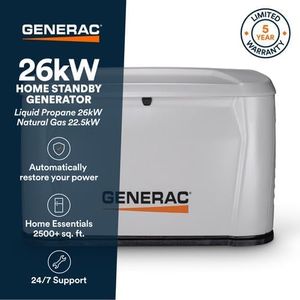
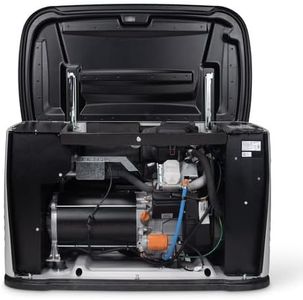
Generac 26kW Whole Home Generator, Cellular Capability
Jackery Explorer 1000 v2 Portable Power Station,1070Wh LiFePO4 Battery,1500W AC/100W USB-C Output, 1 Hr Fast Charge, Solar Generator for Camping,Emergency, RV, Off-Grid Living(Solar Panel Optional)
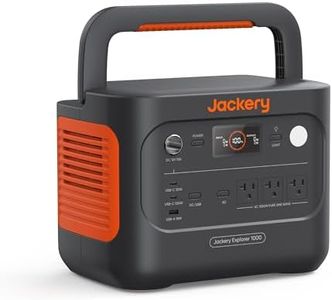
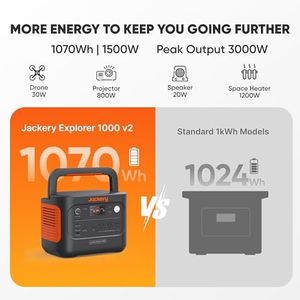
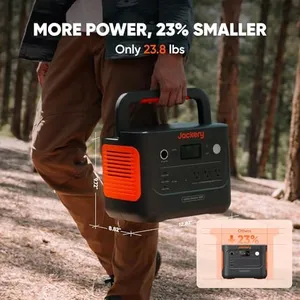
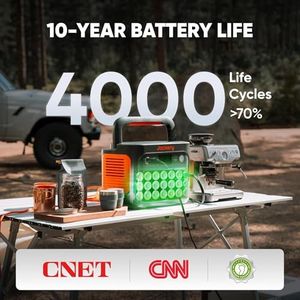
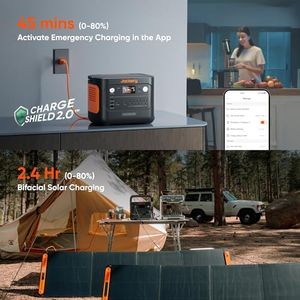
Jackery Explorer 1000 v2 Portable Power Station,1070Wh LiFePO4 Battery,1500W AC/100W USB-C Output, 1 Hr Fast Charge, Solar Generator for Camping,Emergency, RV, Off-Grid Living(Solar Panel Optional)
Generac 18kW Home Standby Generator for home use, built-in cellular connectivity, whole house generator for power backup
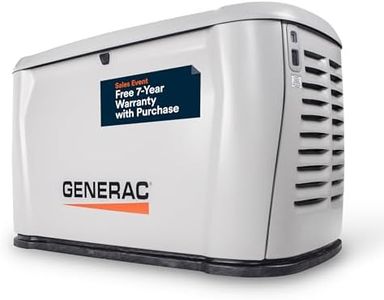
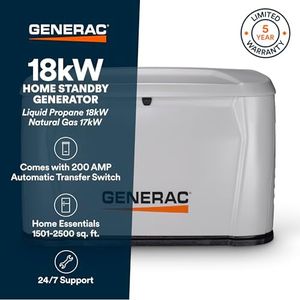
Generac 18kW Home Standby Generator for home use, built-in cellular connectivity, whole house generator for power backup
Generac 14kW Whole Home Generator, Transfer Switch & Cellular Capability
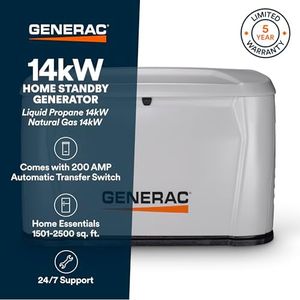
Generac 14kW Whole Home Generator, Transfer Switch & Cellular Capability
Recommended lists

Our technology thoroughly searches through the online shopping world, reviewing hundreds of sites. We then process and analyze this information, updating in real-time to bring you the latest top-rated products. This way, you always get the best and most current options available.

Our Top Picks
Winner
Jackery Solar Generator 1000 v2 with 200W Solar Panel, 1070Wh Portable Power Station, LiFePO4 Battery, 1500W AC Output, 1 Hr Fast Charge, for Camping, Emergency, RV, Off-Grid (Dune White)
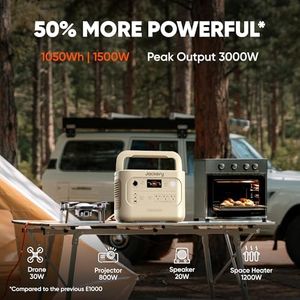
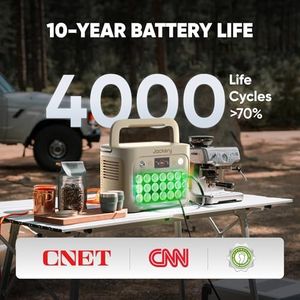
The Jackery Solar Generator 1000 v2 is a strong choice for anyone looking for a clean, portable power source without gasoline. It delivers a solid 1,500W continuous output and can handle surges up to 3,000W, making it capable of powering common appliances such as fridges and AC units during camping or power outages. Its 1,070Wh lithium iron phosphate (LiFePO4) battery offers long life, with over 4,000 charge cycles and a lifespan beyond 10 years, which is impressive compared to many other portable generators.
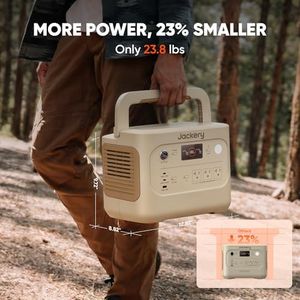
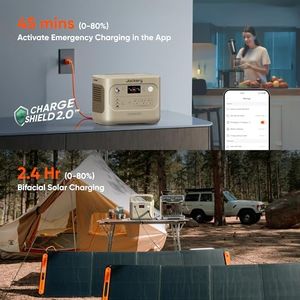
One standout feature is its fast charging capability — it can recharge fully in about 1 to 1.7 hours using emergency mode via the Jackery app, or in roughly 6 hours on solar power with the included 200W solar panel. This flexibility makes it well-suited for off-grid use and prolonged outdoor activities. The generator is fairly lightweight (under 24 lbs) and has a foldable handle, so it’s easy to carry around compared to traditional gas generators.
In terms of noise, it runs quietly, especially when using the app's overnight mode, which is a big plus if you plan to use it in quiet environments like campsites. Connectivity is versatile with three AC outlets, two USB-C ports (including a fast 100W PD port), a USB-A port, and a DC car port, allowing you to power multiple devices simultaneously. The run time at full 1,000W load is about 2 hours, meaning you’ll need to manage your power use carefully or have access to solar/AC charging to stay powered longer. Additionally, the solar panel and generator ship separately, which is a minor inconvenience. The price and 2-year warranty might be a consideration for budget-conscious buyers. This generator suits campers, RV owners, and emergency preparedness enthusiasts who value portability, clean energy, and smart features. Its power output and battery technology provide reliable energy without the noise and fumes of gas generators, though those needing very long run times might need to plan for supplemental charging.
Generac 26kW Whole Home Generator, Transfer Switch & Cellular Capability
Most important from
2 reviews
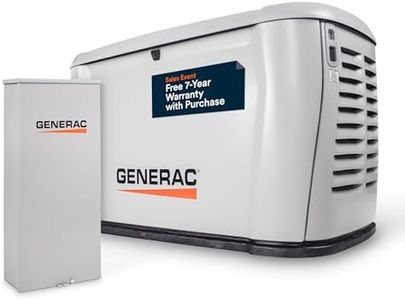
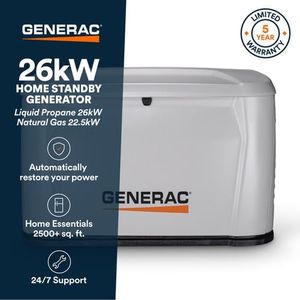
The Generac 26kW Home Standby Generator is designed to power your entire home during outages, making it a strong choice for homeowners who want reliable and automatic backup electricity. Its high power output of 26,000 watts means it can handle most household appliances and systems simultaneously, including heating, cooling, and refrigeration. The generator uses fuel efficiently with electronic controls that help reduce fuel consumption and emissions, which can save money over time. It comes with a 200 amp transfer switch that automatically switches power to the generator when the main supply goes out, so you don’t have to do anything manually.
One of its standout features is built-in cellular connectivity, allowing you to monitor and control the generator remotely via a mobile app. This adds convenience and peace of mind, especially if you travel or are away from home often. The generator is also designed with cold weather in mind, featuring oil level sensors and improved cold start performance, meaning it’s ready to run even in winter.
The generator is robust and reliable but quite heavy at over 500 pounds and not portable, so it’s intended to be installed permanently outside your home. The unit includes multiple safety features like low oil shutdown and automatic voltage regulation to protect your home’s electrical devices. The 5-year limited warranty and 24/7 customer support add reassurance for long-term use. This generator is well suited for homeowners looking for a comprehensive, hands-off backup power solution that covers the whole house and offers modern monitoring features. However, if you need a portable or quieter option, other types of generators might be better matches.
Most important from
2 reviews
Generac 22kW Whole Home Generator, Transfer Switch & Cellular Capability
The Generac 22kW Home Standby Generator is designed to provide reliable, whole-house backup power, making it well-suited for homeowners who want to keep essential appliances and systems running during outages. With a strong power output of 22,000 watts, it can support large homes and multiple appliances simultaneously. It uses fuel-powered operation with an efficient electronic ignition and fuel control system that helps reduce fuel consumption and emissions, which can lower running costs over time. This model includes a 200 amp transfer switch for automatic switching during power loss, ensuring a seamless transition without manual setup.
The built-in cellular connectivity and Mobile Link app allow remote monitoring and control, giving peace of mind by sending real-time updates and alerts, though this requires a subscription. Portability isn’t a focus here; weighing 451 pounds and designed as a stationary standby unit, it’s meant to be installed outside your home rather than moved around. Its fully enclosed design and low oil shutdown feature contribute to quieter, safer operation compared to portable generators. The 5-year warranty and 24/7 customer support add to its appeal as a long-term investment.
However, it’s not compatible with smart home systems, so it won’t integrate with home automation setups. Also, setup and installation require professional help, which can add to initial costs. This generator is a strong option for homeowners seeking dependable, hands-off backup power with modern remote monitoring, prioritizing reliability and fuel efficiency over portability or smart home integration.