10 Best Telescopes For Adults 2026 in the United States
Winner
Odyssey PRO - UNISTELLAR Smart Telescope (with Eyepiece), 85mm f/3.9 (320mm) Digital & Computerized, App-Controlled Motorized Alt-Az, Enhanced Vision, RAW/FITS Export, 64GB, 5h Battery (Red)
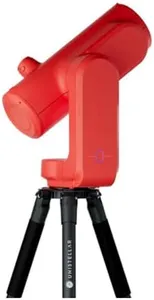
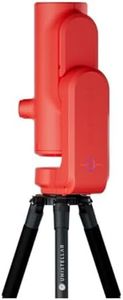
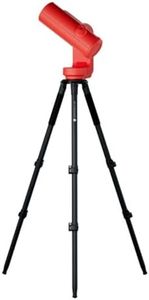
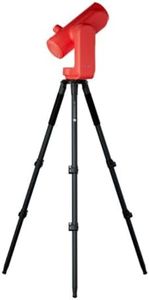
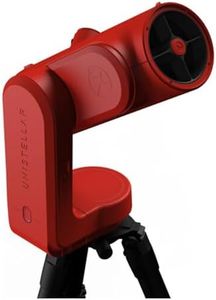
Odyssey PRO - UNISTELLAR Smart Telescope (with Eyepiece), 85mm f/3.9 (320mm) Digital & Computerized, App-Controlled Motorized Alt-Az, Enhanced Vision, RAW/FITS Export, 64GB, 5h Battery (Red)
Chosen by 1392 this week
Celestron NexStar 8SE Computerized Telescope – 8-Inch Schmidt-Cassegrain Optical Tube – Fully Automated GoTo Mount with SkyAlign – Ideal for Beginners and Advanced Users – 40,000+ Object Database
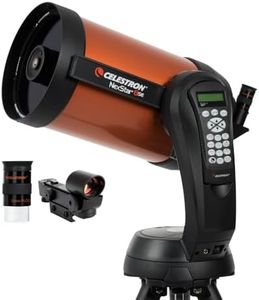
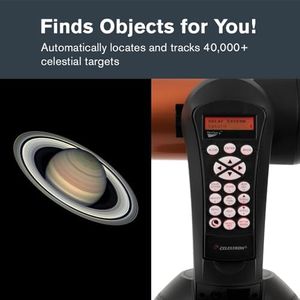
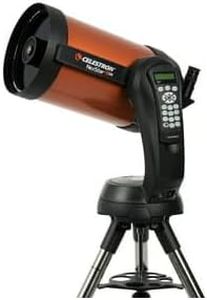
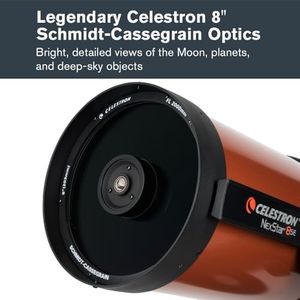
Celestron NexStar 8SE Computerized Telescope – 8-Inch Schmidt-Cassegrain Optical Tube – Fully Automated GoTo Mount with SkyAlign – Ideal for Beginners and Advanced Users – 40,000+ Object Database
Celestron NexStar 6SE Computerized Telescope – 6-Inch Schmidt-Cassegrain Optical Tube – Fully Automated GoTo Mount with SkyAlign – Ideal for Beginners and Advanced Users – 40,000+ Object Database
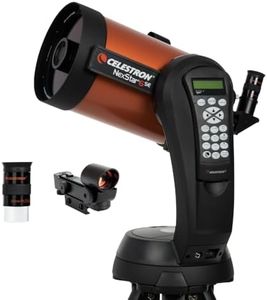

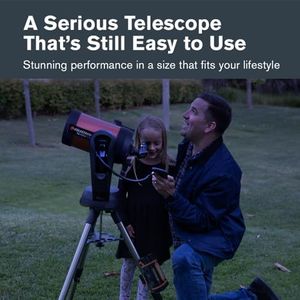
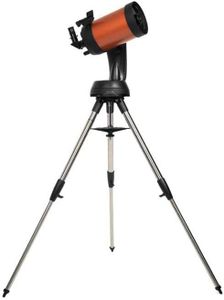
Celestron NexStar 6SE Computerized Telescope – 6-Inch Schmidt-Cassegrain Optical Tube – Fully Automated GoTo Mount with SkyAlign – Ideal for Beginners and Advanced Users – 40,000+ Object Database
EVSCOPE 2 - UNISTELLAR Smart Telescope (with Eyepiece), 114mm f/4 (450mm) Digital & Computerized, App-Controlled Motorized Alt-Az, Manual Fine Focus, RAW/FITS Export, 64GB, Tripod, 9h Battery
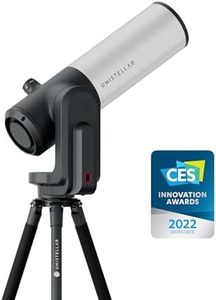
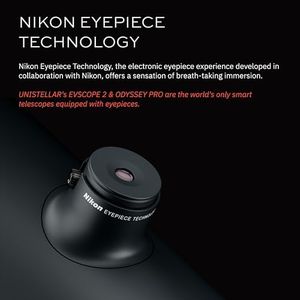

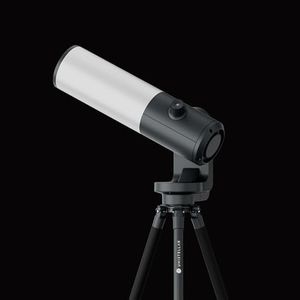

EVSCOPE 2 - UNISTELLAR Smart Telescope (with Eyepiece), 114mm f/4 (450mm) Digital & Computerized, App-Controlled Motorized Alt-Az, Manual Fine Focus, RAW/FITS Export, 64GB, Tripod, 9h Battery
Odyssey - UNISTELLAR Smart Telescope (no Eyepiece), 85mm f/3.9 (320mm) Digital & Computerized, App-Controlled Motorized Alt-Az, Enhanced Vision, RAW/FITS Export, 64GB, Tripod, 5h Battery (Black)
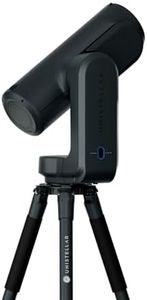
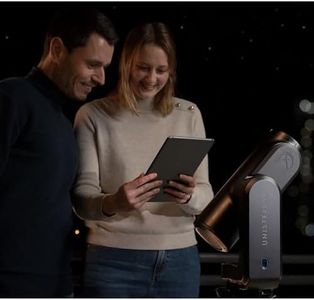
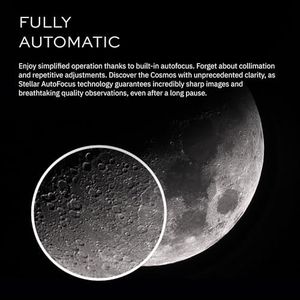
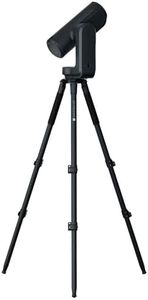
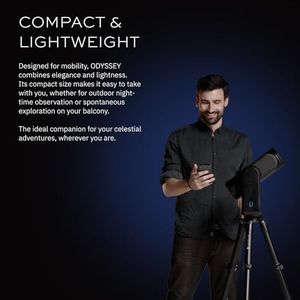
Odyssey - UNISTELLAR Smart Telescope (no Eyepiece), 85mm f/3.9 (320mm) Digital & Computerized, App-Controlled Motorized Alt-Az, Enhanced Vision, RAW/FITS Export, 64GB, Tripod, 5h Battery (Black)
Related Products
Up to 16% off
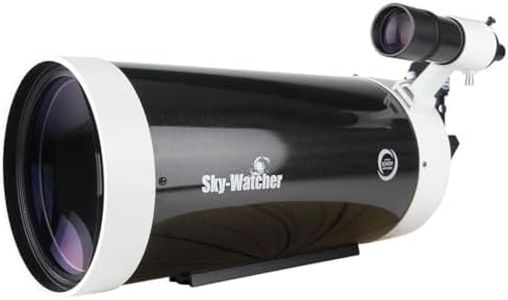
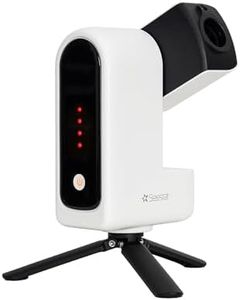


Celestron - NexStar Evolution 8 WiFi Enabled Computerized Telescope - 8” Schmidt-Cassegrain Telescope SCT - Control via Smartphone App - 10-Hour Lithium Battery - iPhone and Android Compatible
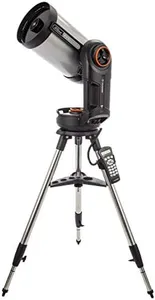
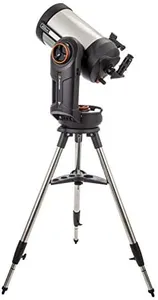
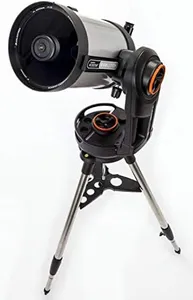
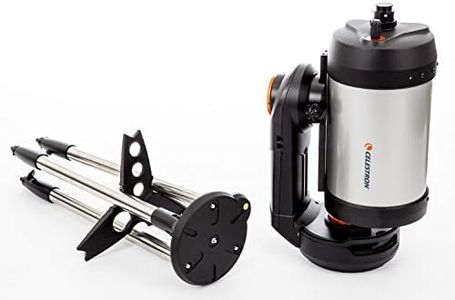
Celestron - NexStar Evolution 8 WiFi Enabled Computerized Telescope - 8” Schmidt-Cassegrain Telescope SCT - Control via Smartphone App - 10-Hour Lithium Battery - iPhone and Android Compatible
Gskyer Telescope, 70mm Aperture 400mm AZ Mount Astronomical Refracting Telescope for Kids Beginners - Travel Telescope with Carry Bag, Phone Adapter and Wireless Remote.
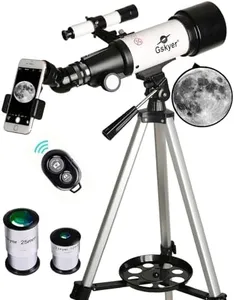


Gskyer Telescope, 70mm Aperture 400mm AZ Mount Astronomical Refracting Telescope for Kids Beginners - Travel Telescope with Carry Bag, Phone Adapter and Wireless Remote.
Gskyer Telescope 600x90mm AZ Astronomical Refractor Telescope for Adults Astronomy, German Technology Scope
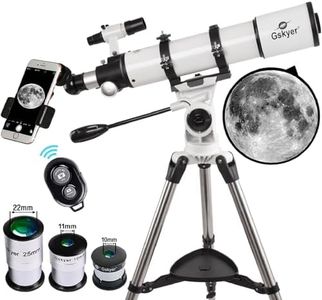


Gskyer Telescope 600x90mm AZ Astronomical Refractor Telescope for Adults Astronomy, German Technology Scope
Celestron StarSense Explorer DX 5-inch App-Enabled Telescope – 130mm Schmidt-Cassegrain with Smartphone Dock & StarSense App – iPhone & Android Compatible – Easy-to-Use for Beginners
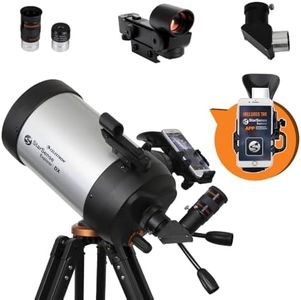
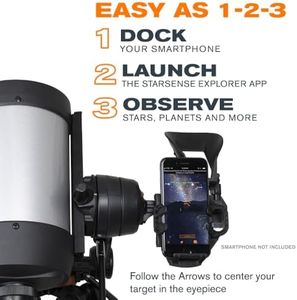
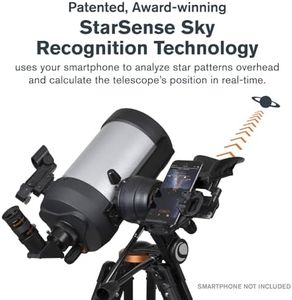
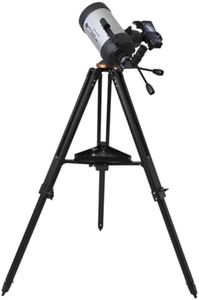
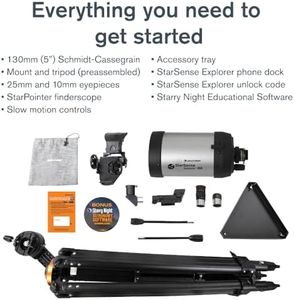
Celestron StarSense Explorer DX 5-inch App-Enabled Telescope – 130mm Schmidt-Cassegrain with Smartphone Dock & StarSense App – iPhone & Android Compatible – Easy-to-Use for Beginners
SkyWatcher Flextube 300 SynScan Dobsonian 12-inch Collapsible Computerized GoTo Large Aperture Telescope (S11820)
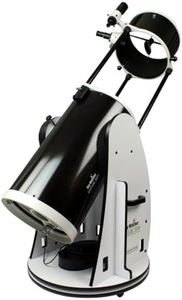
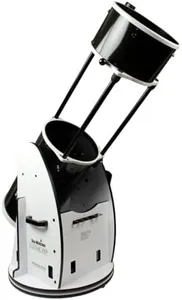

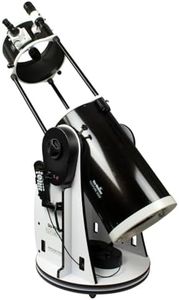
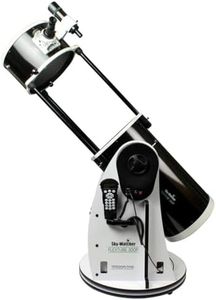
SkyWatcher Flextube 300 SynScan Dobsonian 12-inch Collapsible Computerized GoTo Large Aperture Telescope (S11820)
Recommended lists

Our technology thoroughly searches through the online shopping world, reviewing hundreds of sites. We then process and analyze this information, updating in real-time to bring you the latest top-rated products. This way, you always get the best and most current options available.

Our Top Picks
Winner
Odyssey PRO - UNISTELLAR Smart Telescope (with Eyepiece), 85mm f/3.9 (320mm) Digital & Computerized, App-Controlled Motorized Alt-Az, Enhanced Vision, RAW/FITS Export, 64GB, 5h Battery (Red)
Most important from
52 reviews
The Odyssey PRO by Unistellar is a smart telescope designed for adults looking for an easy, modern way to explore the night sky. Its 85mm aperture and 320mm focal length (f/3.9) offer a good balance for both wide views and some detail, making it suitable for casual stargazing, especially from urban balconies or darker locations. The motorized Alt-Az mount with automatic alignment means you don’t need experience with complex setups like polar alignment, which is great if you want to start observing quickly and with minimal fuss. This mount also supports precise GoTo tracking, helping you find and follow objects smoothly.
One standout feature is its unique eyepiece technology combined with digital imaging, allowing you to observe through the eyepiece or on your phone/tablet via an app. This app-controlled system includes autofocus and a large catalog of over 5,000 objects, making it beginner-friendly yet powerful. The built-in 64GB storage and 5-hour battery support extended sessions and data saving for further analysis or citizen science projects.
Portability is decent with a total of about 6.5 kg for the scope plus a 2.5 kg tripod, so it’s not ultra-light but still manageable for transport to different observing sites. The included premium tripod adds stability. Exporting raw data files allows advanced users to process images more deeply, which is a plus if you want to grow your skills. While the 85mm aperture is modest compared to larger amateur telescopes, which limits deep-sky viewing and fine detail resolution, the price reflects the inclusion of smart features. Battery life is good but requires charging before outings. For those seeking a blend of ease, technology, and decent optical quality for casual to intermediate stargazing, this smart telescope presents a compelling package.
Most important from
52 reviews
Celestron NexStar 8SE Computerized Telescope – 8-Inch Schmidt-Cassegrain Optical Tube – Fully Automated GoTo Mount with SkyAlign – Ideal for Beginners and Advanced Users – 40,000+ Object Database
Most important from
1562 reviews
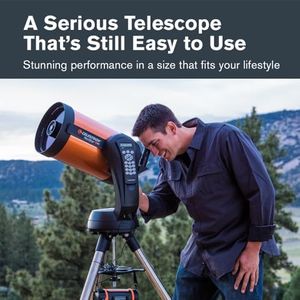
The Celestron NexStar 8SE Telescope stands out as a versatile option for both beginners and seasoned stargazers. One of its notable strengths is the 8-inch aperture, which allows for impressive light-gathering capabilities, enabling users to view a wide range of celestial objects, including planets and deep-sky phenomena. Its Schmidt-Cassegrain optical design balances performance with portability, making it easier to transport compared to larger telescopes.
The computerized GoTo mount is another highlight, featuring a comprehensive database of over 40,000 celestial objects. This means that with just a few taps, you can automatically locate and track fascinating sights in the night sky—ideal for those who may not be familiar with star maps. The SkyAlign technology simplifies setup, ensuring that even beginners can have the telescope aligned and ready for use in just minutes.
Portability is a plus as well; the sturdy design and single fork arm mount make it easy to assemble and disassemble, which is great for users who want to take their stargazing on the go. Plus, the exceptional customer support and warranty provided by Celestron adds peace of mind to your purchase. The NexStar 8SE is a solid choice for adults interested in astronomy, blending advanced features with user-friendly technology, although potential buyers should consider its weight and power requirements.
Most important from
1562 reviews
Celestron NexStar 6SE Computerized Telescope – 6-Inch Schmidt-Cassegrain Optical Tube – Fully Automated GoTo Mount with SkyAlign – Ideal for Beginners and Advanced Users – 40,000+ Object Database
Most important from
974 reviews
The Celestron NexStar 6SE is a strong choice for adults who want a telescope that grows with their interest in astronomy. Its 6-inch aperture is large enough to capture detailed views of the moon, planets, and many deep-sky objects like galaxies, making it versatile for both beginners and more experienced users. The Schmidt-Cassegrain optical design combines good image quality with a compact size, which helps with portability despite its 21-pound weight. The focal length of 1500 mm provides a decent zoom level, allowing you to see objects with clarity.
One of its biggest advantages is the fully automated GoTo mount that can automatically find and track over 40,000 objects using the easy SkyAlign system, which means you don’t need to be familiar with star charts to get started. The included accessories like a 25mm eyepiece, star diagonal, and StarPointer finderscope add good value, while compatibility with additional Celestron accessories allows for upgrades as your skills improve. On the downside, it relies on multiple batteries or external power sources (not included), which might be inconvenient for some users. Also, though portable, the setup is somewhat bulky compared to smaller beginner scopes, so it’s more suited for users willing to handle moderate weight and size to get better views.
The 2-year warranty and strong customer support from a reputable brand offer peace of mind. If you want a reliable, computerized telescope that bridges beginner ease and intermediate features, the NexStar 6SE represents a solid pick.