10 Best Log Splitters 2026 in the United States
Winner
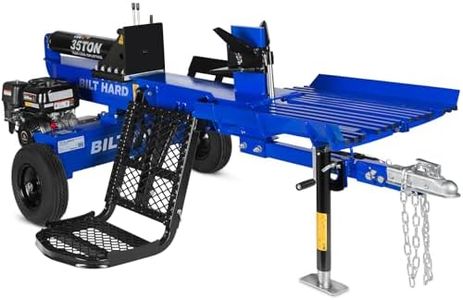
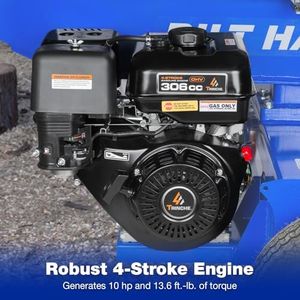
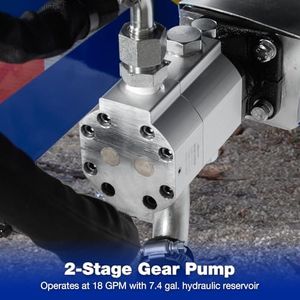
BILT HARD 35 Ton Gas Log Splitter with Log Lift, 4-Way & 6-Way Wedges, 306cc 10 HP Towable Full Beam Wood Splitter, Bucher 2 Stage Gear Pump
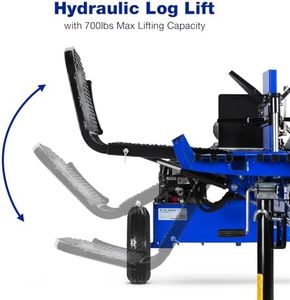
BILT HARD 35 Ton Gas Log Splitter with Log Lift, 4-Way & 6-Way Wedges, 306cc 10 HP Towable Full Beam Wood Splitter, Bucher 2 Stage Gear Pump
Chosen by 1459 this week
BILT HARD 25-Ton Horizontal/Vertical Towable Gas Log Splitter, Hydraulic Log Splitter with 8 HP 223cc 4-Cycle OHV Engine, 2" Ball Coupler, Safety Chains, Wood Splitter for Firewood Splitting

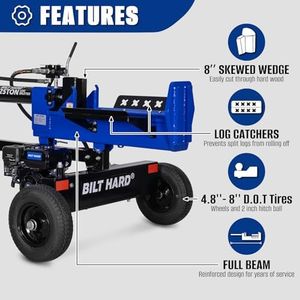
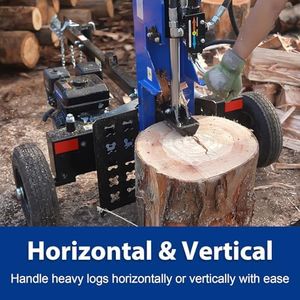
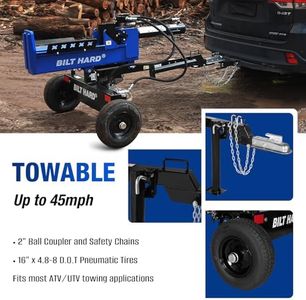
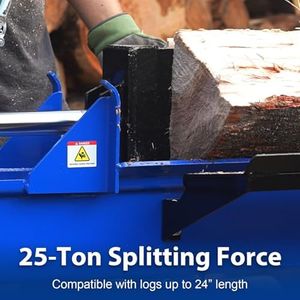
BILT HARD 25-Ton Horizontal/Vertical Towable Gas Log Splitter, Hydraulic Log Splitter with 8 HP 223cc 4-Cycle OHV Engine, 2" Ball Coupler, Safety Chains, Wood Splitter for Firewood Splitting
Full Boar 35 Ton 306cc Gas Log Splitter with 4-Way & 6-Way Wedges, Hydraulic Log Lift
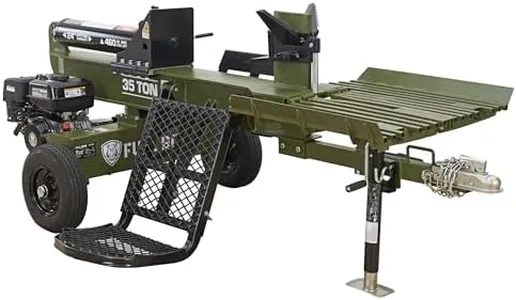
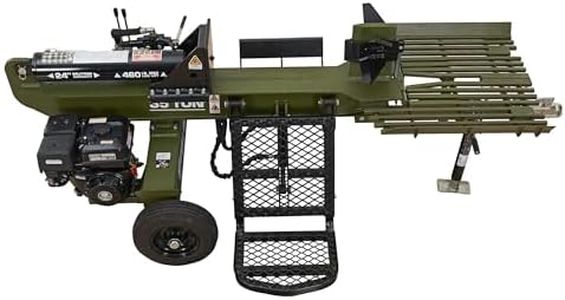
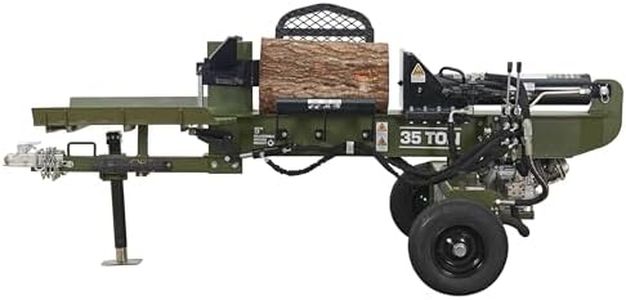
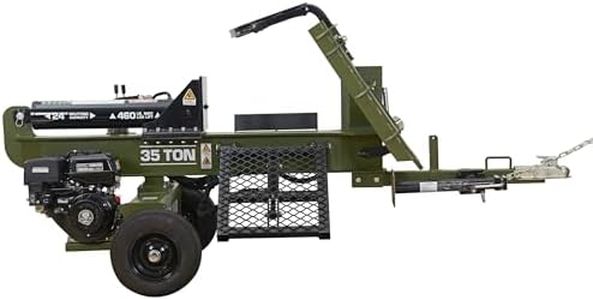
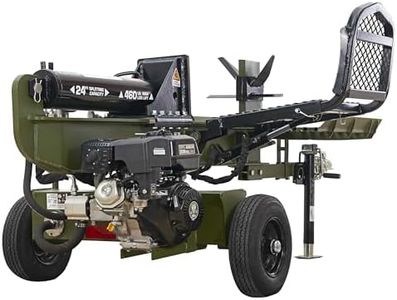
Full Boar 35 Ton 306cc Gas Log Splitter with 4-Way & 6-Way Wedges, Hydraulic Log Lift
Full Boar 38 Ton Log Splitter-Full Boar Engine 306cc (49 State)
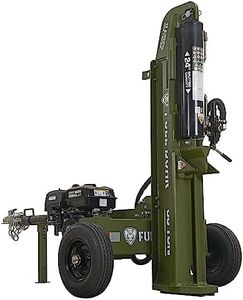


Full Boar 38 Ton Log Splitter-Full Boar Engine 306cc (49 State)
Champion Power Equipment 37-Ton Horizontal/Vertical Full Beam Gas Log Splitter with Auto Return
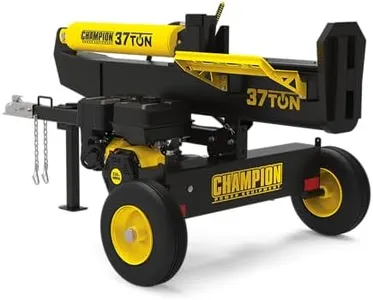


Champion Power Equipment 37-Ton Horizontal/Vertical Full Beam Gas Log Splitter with Auto Return
Related Products
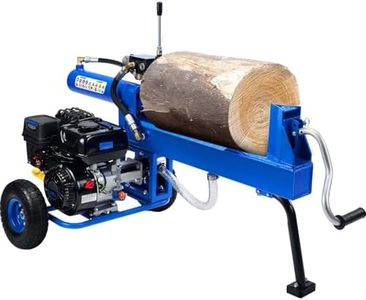
BILT HARD Full Beam 30-Ton Horizontal/Vertical Gas Powered Hydraulic Log Splitter with 223cc OHV Engine, 2" Ball Coupler, 16" DOT Tires, 2 Stage Gear Pump, Firewood Splitting Machine with Auto Return
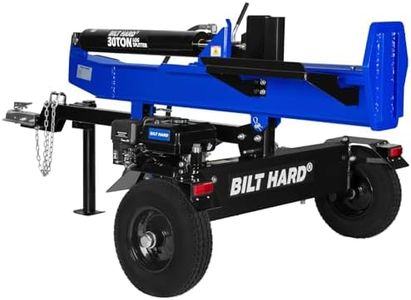
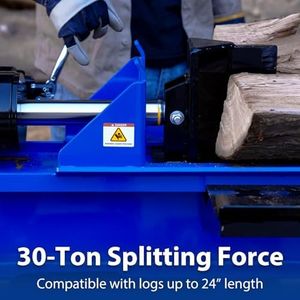
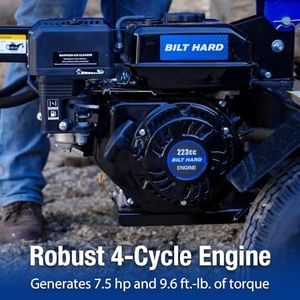
BILT HARD Full Beam 30-Ton Horizontal/Vertical Gas Powered Hydraulic Log Splitter with 223cc OHV Engine, 2" Ball Coupler, 16" DOT Tires, 2 Stage Gear Pump, Firewood Splitting Machine with Auto Return
Champion Power Equipment 40-Ton PRO Grade Horizontal/Vertical Full Beam Gas Log Splitter with Auto Return
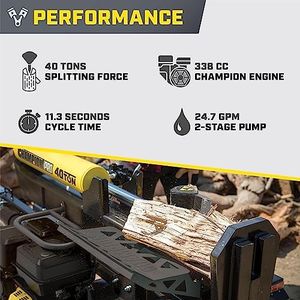
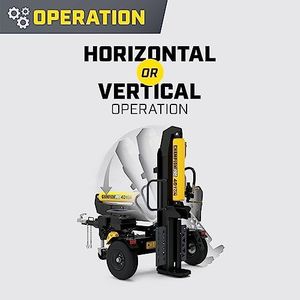
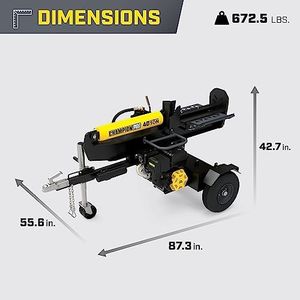
Champion Power Equipment 40-Ton PRO Grade Horizontal/Vertical Full Beam Gas Log Splitter with Auto Return
BILT HARD 35-Ton Horizontal/Vertical Gas Powered Hydraulic Full Beam Log Splitter with 301cc OHV Engine, 2" Ball Coupler, 16" DOT Tires, 2 Stage Gear Pump, Firewood Splitting Wood Machine, Auto Return
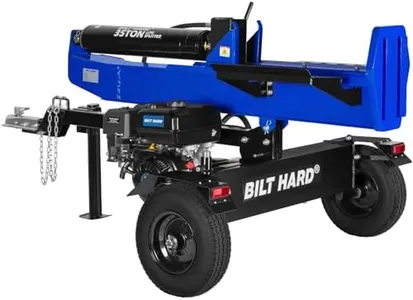
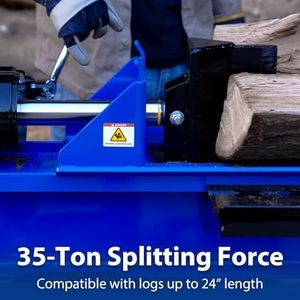
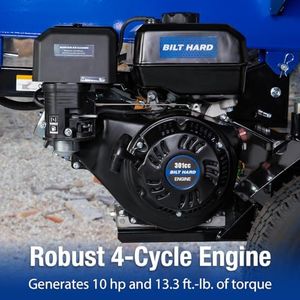
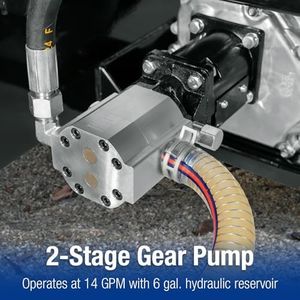
BILT HARD 35-Ton Horizontal/Vertical Gas Powered Hydraulic Full Beam Log Splitter with 301cc OHV Engine, 2" Ball Coupler, 16" DOT Tires, 2 Stage Gear Pump, Firewood Splitting Wood Machine, Auto Return
Full Boar 28 Ton Log Splitter-Full Boar Engine 212cc (49 State)
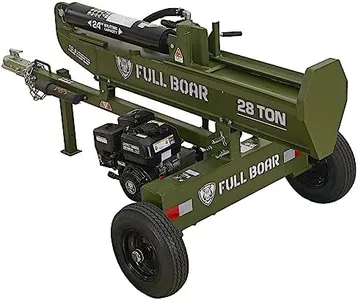
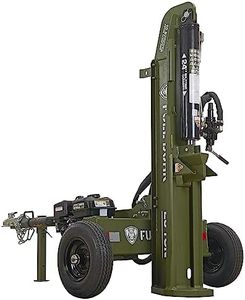
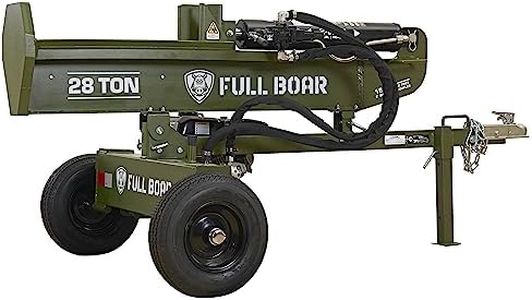
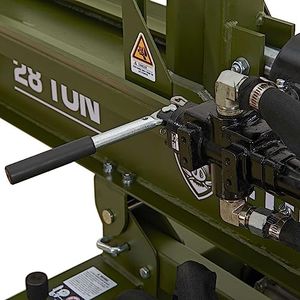
Full Boar 28 Ton Log Splitter-Full Boar Engine 212cc (49 State)
Full Boar 33 Ton Log Splitter-Full Boar Engine 223cc (49 State)
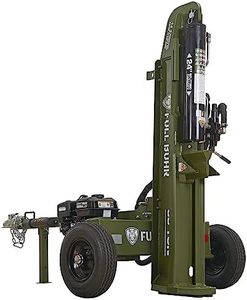
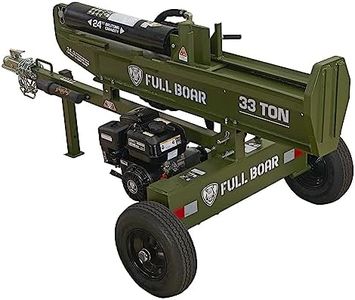
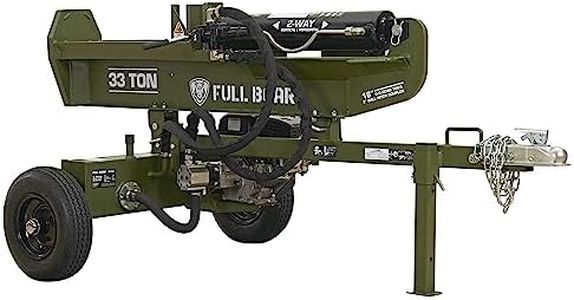
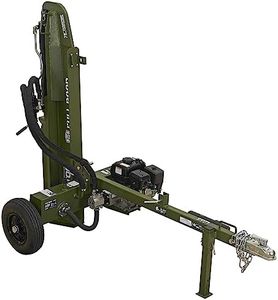
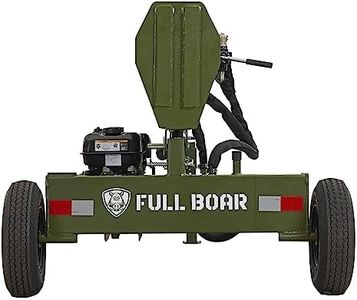
Full Boar 33 Ton Log Splitter-Full Boar Engine 223cc (49 State)
Our technology thoroughly searches through the online shopping world, reviewing hundreds of sites. We then process and analyze this information, updating in real-time to bring you the latest top-rated products. This way, you always get the best and most current options available.

Our Top Picks
Winner
BILT HARD 35 Ton Gas Log Splitter with Log Lift, 4-Way & 6-Way Wedges, 306cc 10 HP Towable Full Beam Wood Splitter, Bucher 2 Stage Gear Pump
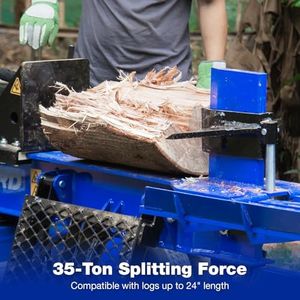
The BILT HARD 35 Ton Gas Log Splitter is a solid choice for anyone needing a powerful and versatile machine for heavy-duty wood splitting. With a strong 35-ton splitting force powered by a 10 HP gas engine, it handles thick, tough logs with ease. Its gas engine allows for portability without relying on electricity, which is great for outdoor use or remote locations. The log splitter includes a useful hydraulic log lift that can handle up to 700 pounds, reducing the strain of lifting heavy logs manually. It operates quickly with a 15-second cycle time, meaning you can split wood in rapid succession without long waits.
The splitter comes with interchangeable 4-way and 6-way wedges, so you can choose how you want your logs split, and it can manage logs up to 24 inches long and 20 inches in diameter — suitable for most firewood needs. Its towable design with safety chains and proper tires makes it easier to move between sites. The heavy-duty box-shaped beam adds durability and stability, preventing bending or twisting during tough jobs.
This log splitter is quite heavy (over 1,000 pounds) and large, so it needs a suitable vehicle and space for transport and storage. Also, it requires some assembly and familiarity with hydraulic systems, which might be challenging if you prefer a simpler, plug-and-play tool. In summary, this model is well suited for homeowners and professionals who need a robust, fast, and portable gas-powered splitter that can tackle various log sizes and splitting styles efficiently.
BILT HARD 25-Ton Horizontal/Vertical Towable Gas Log Splitter, Hydraulic Log Splitter with 8 HP 223cc 4-Cycle OHV Engine, 2" Ball Coupler, Safety Chains, Wood Splitter for Firewood Splitting
Most important from
4 reviews
The BILT HARD 25-Ton log splitter offers a strong 25-ton splitting force powered by a reliable 7 HP 223cc gas engine, making it suitable for homeowners and small farms needing to split tough, dense logs. Its dual-position design lets you switch between horizontal and vertical setups, which helps with both standard logs and larger, heavy ones, reducing strain and boosting efficiency. The splitter can handle logs up to 24 inches long and has a fast 17-second cycle time, so you won’t be waiting long between splits.
Portability is a big plus here — with a standard 2-inch ball hitch, safety chains, and sturdy 16-inch tires, it can be towed easily by an ATV, UTV, or truck, even on rough terrain or at highway speeds. The hydraulic system is built tough with a large 5-gallon oil reservoir to keep things running smoothly without frequent maintenance. On the downside, it weighs nearly 500 pounds, so moving it without a vehicle might be tricky, and while the 25-ton force is solid for most home and farm tasks, it might struggle with very large or hardwood logs compared to heavier-duty models.
This log splitter balances power, convenience, and versatility, making it a good choice if you want a durable, towable splitter that’s ready to work right out of the box.
Most important from
4 reviews
Full Boar 35 Ton 306cc Gas Log Splitter with 4-Way & 6-Way Wedges, Hydraulic Log Lift
Most important from
20 reviews
The Full Boar 35 Ton 306cc Gas Log Splitter stands out for users who need a powerful and versatile tool to handle tough log splitting tasks. With 35 tons of splitting force, it can tackle large and dense logs effectively. Powered by a gas engine, it offers good mobility since you’re not tied to an outlet, making it suitable for outdoor use in various locations. The hydraulic log lift is a smart addition that reduces back strain by helping you lift heavy logs (up to 700 lbs), which is great if you often split large amounts of wood.
Its unique BOX-shape beam design ensures the splitter is strong and stable, which means it can last longer and handle heavy workloads without wobbling. You’ll also appreciate the quick and easy blade switching between 2-way, 4-way, and 6-way wedges, letting you split logs into different sizes without extra effort or tools. This can save you time and tailor your firewood to your needs. The hydraulic wedge adjustment allows for more precise splitting, helping create cleaner, more uniform cuts regardless of log size.
The splitter is quite large and heavy (over 1000 pounds), so it might need adequate storage space and possibly assistance in moving it around. Also, as a gas-powered model, it requires regular fuel and maintenance compared to electric models, which could be a consideration if you want a quieter or lower-maintenance option. This log splitter is ideal for users who frequently split large logs and want a durable, efficient machine with helpful features to reduce physical strain and speed up their work.