10 Best Japanese Knives 2026 in the United States
Winner
imarku 3 Pieces Knife set, Japanese HC Stainless Steel Kitchen Knife Set, Professional Chef Knife Set With Ergonomic Pakkawood Handle, Ultra Sharp Knives Set for Kitchen & Home Cooking, Gifts Box
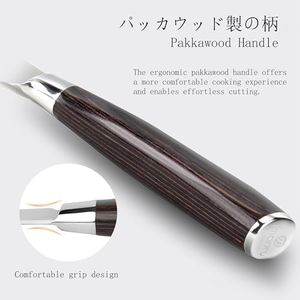
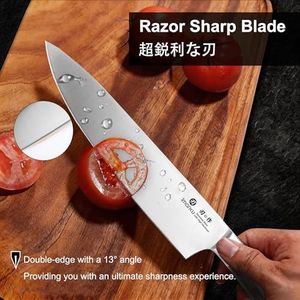
imarku 3 Pieces Knife set, Japanese HC Stainless Steel Kitchen Knife Set, Professional Chef Knife Set With Ergonomic Pakkawood Handle, Ultra Sharp Knives Set for Kitchen & Home Cooking, Gifts Box
Chosen by 1500 this week
imarku Santoku Knife Chef Knife 5 inch Ultra Sharp Asian Knife Japanese Chef Knife - Japanese High Carbon Stainless Steel - Ergonomic Pakkawood Handle, Best Choice for Home Kitchen
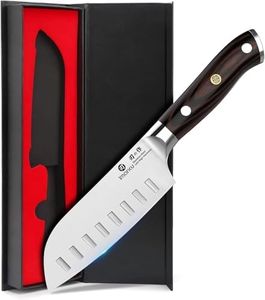
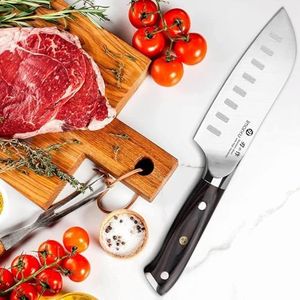
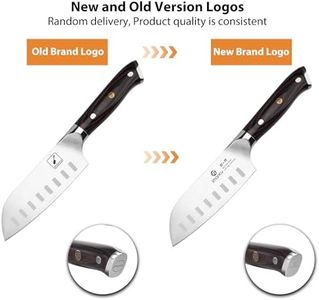
imarku Santoku Knife Chef Knife 5 inch Ultra Sharp Asian Knife Japanese Chef Knife - Japanese High Carbon Stainless Steel - Ergonomic Pakkawood Handle, Best Choice for Home Kitchen
imarku Nakiri Knife,7 Inch High Carbon Stainless Steel Japanese Chef Knife,Razor Sharp Chopping Vegetable and Meat Cleaver Kitchen Knife with Ergonomic Handle,Birthday Gift
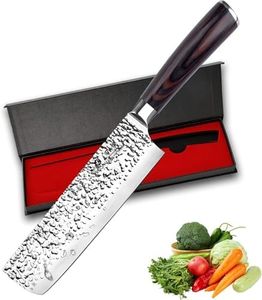
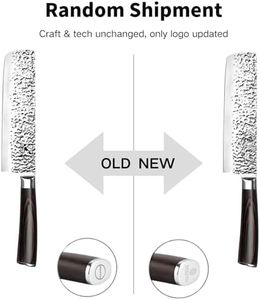
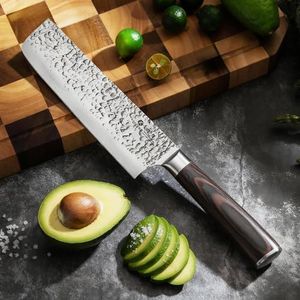
imarku Nakiri Knife,7 Inch High Carbon Stainless Steel Japanese Chef Knife,Razor Sharp Chopping Vegetable and Meat Cleaver Kitchen Knife with Ergonomic Handle,Birthday Gift
HOSHANHO 7 Pieces Kitchen Knife Set, Japanese High Carbon Stainless Steel Magnetic Knife Block Set, Ultra Sharp Chef Knives Sets with Ergonomic Pakkawood Handle
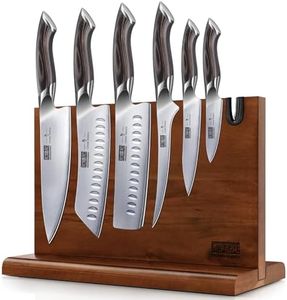
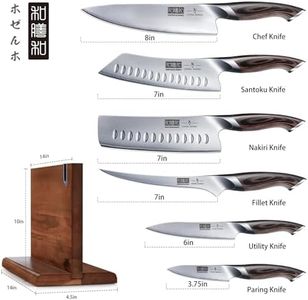
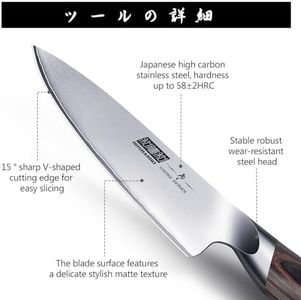
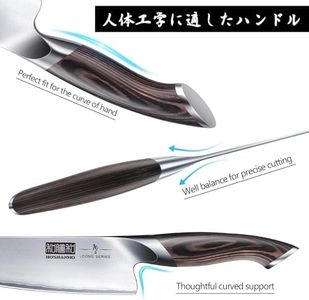
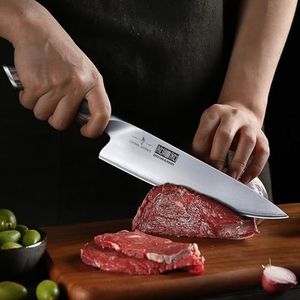
HOSHANHO 7 Pieces Kitchen Knife Set, Japanese High Carbon Stainless Steel Magnetic Knife Block Set, Ultra Sharp Chef Knives Sets with Ergonomic Pakkawood Handle
Shun Premier 6 Piece Block Set
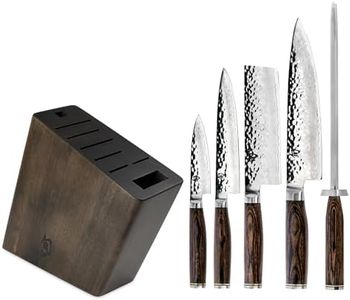
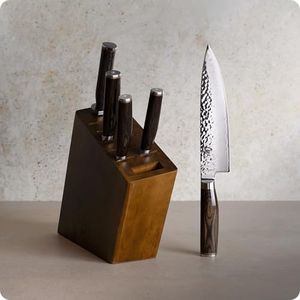
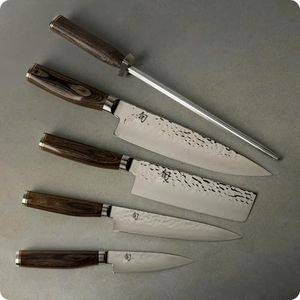
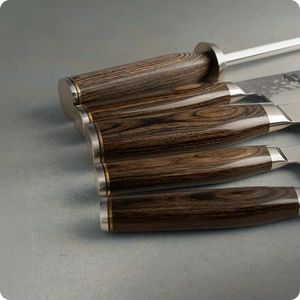
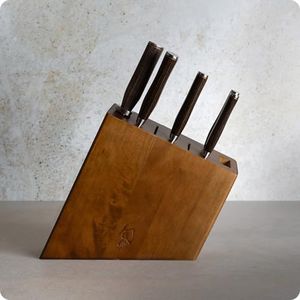
Shun Premier 6 Piece Block Set
Related Products
Up to 21% off
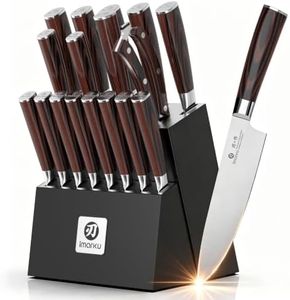
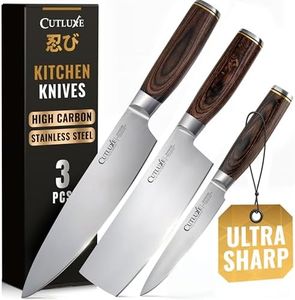
imarku Japanese Chef Knife - Sharp Kitchen Knife 8 Inch Chef's Knives HC Steel Paring Knife, Unique Gifts for Men and Women, Gifts for Mom or Dad, Kitchen Gadgets with Gift Box, Gyutou Knives
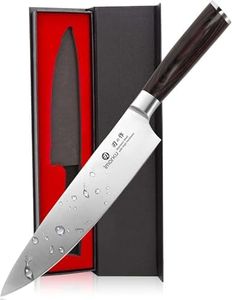
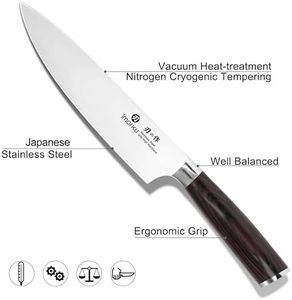
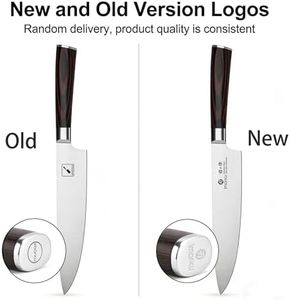
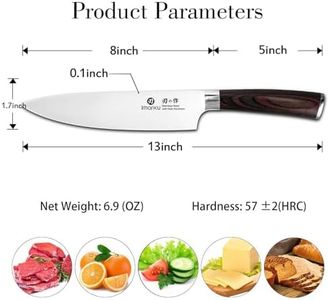
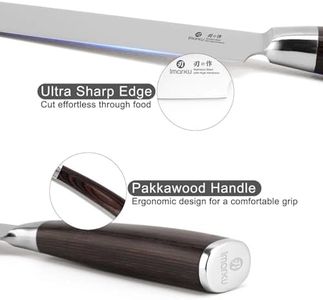
imarku Japanese Chef Knife - Sharp Kitchen Knife 8 Inch Chef's Knives HC Steel Paring Knife, Unique Gifts for Men and Women, Gifts for Mom or Dad, Kitchen Gadgets with Gift Box, Gyutou Knives
Shun Premier 3 Piece Starter Set
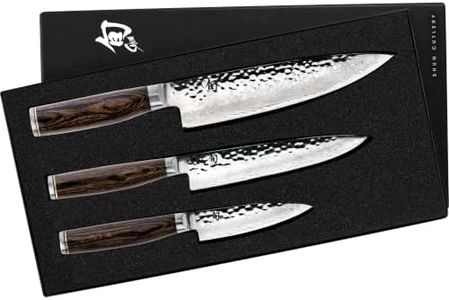
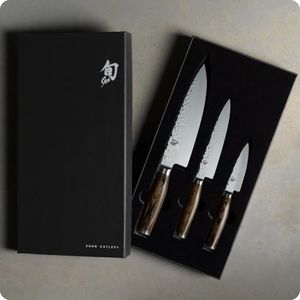
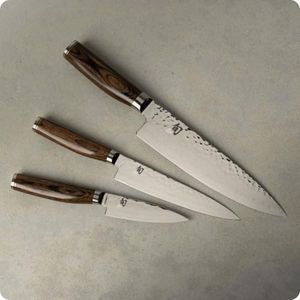
Shun Premier 3 Piece Starter Set
Shun Classic Blonde 8" Chef's Knife, Handcrafted Japanese Kitchen Knife for Professional and Home Chefs, VG-MAX Core with Damascus Stainless Steel Cladding, Pakkawood Handle
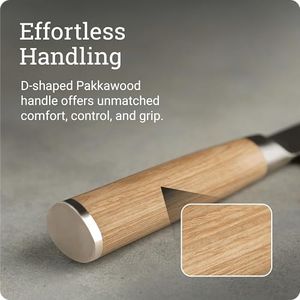
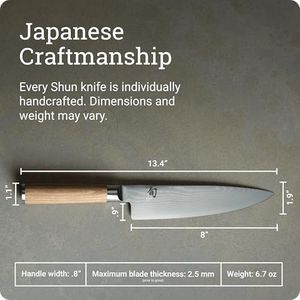
Shun Classic Blonde 8" Chef's Knife, Handcrafted Japanese Kitchen Knife for Professional and Home Chefs, VG-MAX Core with Damascus Stainless Steel Cladding, Pakkawood Handle
Shun Classic 8" Chef's Knife, Handcrafted Japanese Kitchen Knife for Professional and Home Chefs, VG-MAX Core with Damascus Stainless Steel Cladding, Pakkawood Handle
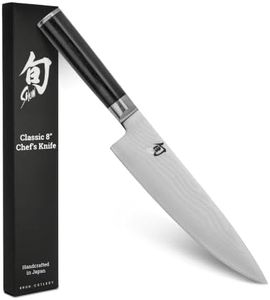
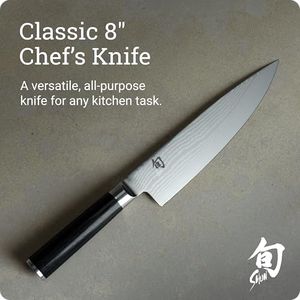
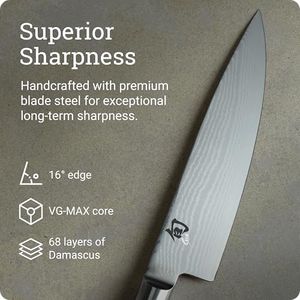
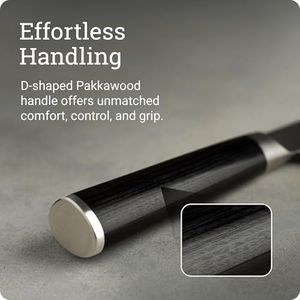
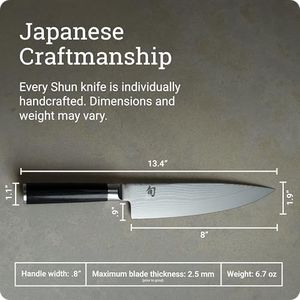
Shun Classic 8" Chef's Knife, Handcrafted Japanese Kitchen Knife for Professional and Home Chefs, VG-MAX Core with Damascus Stainless Steel Cladding, Pakkawood Handle
Recommended lists


Our technology thoroughly searches through the online shopping world, reviewing hundreds of sites. We then process and analyze this information, updating in real-time to bring you the latest top-rated products. This way, you always get the best and most current options available.

Our Top Picks
Winner
imarku 3 Pieces Knife set, Japanese HC Stainless Steel Kitchen Knife Set, Professional Chef Knife Set With Ergonomic Pakkawood Handle, Ultra Sharp Knives Set for Kitchen & Home Cooking, Gifts Box
Most important from
10416 reviews
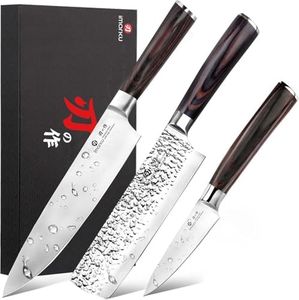
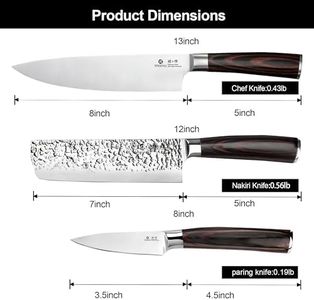
The imarku 3-piece Japanese knife set is a solid choice for home cooks and anyone looking for a versatile, quality knife collection. The knives are made from high-carbon Japanese stainless steel, which is known to hold a sharp edge well and resist rust, thanks to a careful heat treatment process. The set includes an 8-inch chef knife for general chopping and slicing, a 7-inch Nakiri knife great for vegetables and large cuts, and a 3.5-inch paring knife for smaller, precise tasks. Each blade has a sharp 15° double bevel edge, which helps make clean, effortless cuts.
The pakkawood handles are ergonomically designed, providing a comfortable grip and good balance to reduce hand strain during longer use. However, the knives are not dishwasher safe, so hand washing is recommended to maintain their edge and handle quality. The blades are moderately thick at 2.3mm, offering durability without sacrificing too much precision. This set comes in an attractive gift box, making it a nice present for cooking enthusiasts.
While the knives are well-suited for general kitchen use, those looking for very specialized blades or heavier professional-duty knives might find this set a bit limited. Nevertheless, the thoughtful design and quality materials make this set a valuable option for everyday cooking and a great introduction to Japanese-style knives.
Most important from
10416 reviews
imarku Santoku Knife Chef Knife 5 inch Ultra Sharp Asian Knife Japanese Chef Knife - Japanese High Carbon Stainless Steel - Ergonomic Pakkawood Handle, Best Choice for Home Kitchen
Most important from
6399 reviews
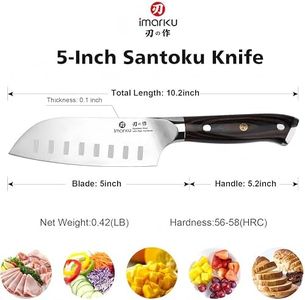
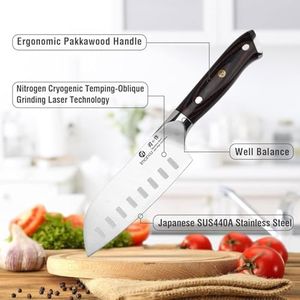
The imarku Santoku Knife is a well-made Japanese-style chef's knife with a 5-inch blade crafted from high carbon stainless steel. This material resists rust and holds a sharp edge well, which is important for kitchen knives that see frequent use. The blade's edge is sharpened to a 15-18 degree angle, making it sharper than many standard chef knives, which helps with precise, effortless cutting. Its 2.3mm thickness balances durability with the ability to make thin cuts, ideal for slicing vegetables, meat, and fruit.
The shorter 5-inch blade offers excellent control and maneuverability, especially compared to longer Santoku knives, making it suitable for both home cooks and those who want detailed, accurate cuts. The handle is made from Pakkawood, a wood-resin composite that provides a comfortable, secure grip and reduces wrist fatigue even after extended use. At just 0.41 pounds, the knife is lightweight, contributing further to ease of handling.
One drawback is that it is not dishwasher safe, so hand washing is necessary to maintain the blade and handle quality. Also, while the shorter blade is great for precision, it might feel small for some users accustomed to bigger chef knives. Packed in a stylish box, it can also serve as a thoughtful gift. This knife is best suited for home cooks looking for a sharp, reliable Japanese Santoku knife with good handling rather than professional chefs needing a larger blade for heavy-duty chopping.
Most important from
6399 reviews
imarku Nakiri Knife,7 Inch High Carbon Stainless Steel Japanese Chef Knife,Razor Sharp Chopping Vegetable and Meat Cleaver Kitchen Knife with Ergonomic Handle,Birthday Gift
Most important from
6352 reviews
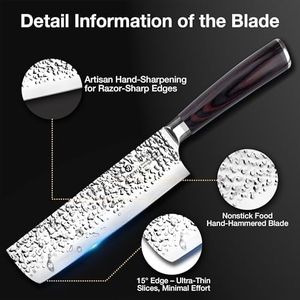
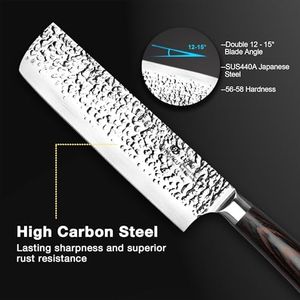
The imarku Nakiri Knife is a 7-inch Japanese-style vegetable knife designed to deliver precise and smooth cutting, especially for chopping vegetables, fruits, and even meat. Its blade is made from high-carbon stainless steel, which means it stays sharp for a long time, resists rust and stains, but requires hand washing to keep it in good shape. The blade’s 15° edge angle is sharper than many Western knives, giving you clean, effortless slices with less pressure. The hollow-edge design and hammered finish help reduce food sticking to the blade, making chopping quicker and less messy.
The handle is made of deep brown Pakkawood, a durable and moisture-resistant material, shaped ergonomically for a secure, non-slip grip. This helps reduce hand fatigue during long chopping sessions and offers good control, even if your hands are wet. The knife’s full-tang forged construction ensures solid balance between the blade and handle, which is important for smooth, controlled cutting.
While the knife excels in sharpness, comfort, and style, it’s not dishwasher safe, so you’ll need to clean it by hand carefully to maintain its quality. Also, because it’s a specialized Nakiri blade, it’s best suited for precise vegetable preparation rather than heavy-duty tasks like cutting bones. This knife is a great choice for home cooks who want a professional-level tool for everyday kitchen use or those looking for a thoughtful gift packaged elegantly with a protective sheath.