10 Best Condenser Microphones 2026 in the United States
Winner
Neumann U87Ai Set Z Multi-Pattern Large Condenser Microphone
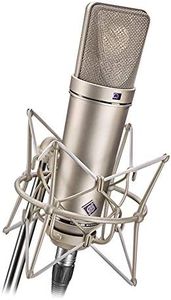


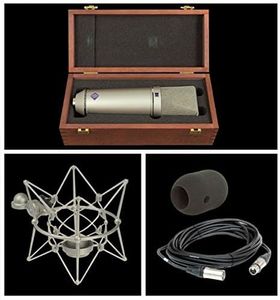
Neumann U87Ai Set Z Multi-Pattern Large Condenser Microphone
Chosen by 1348 this week
Logitech Creators Blue Yeti USB Microphone for PC, Mac, Gaming, Recording, Streaming, Podcasting, Studio and Computer Condenser Mic with Blue VO!CE Effects, 4 Pickup Patterns, Plug and Play - Silver
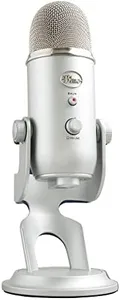
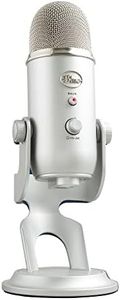

Logitech Creators Blue Yeti USB Microphone for PC, Mac, Gaming, Recording, Streaming, Podcasting, Studio and Computer Condenser Mic with Blue VO!CE Effects, 4 Pickup Patterns, Plug and Play - Silver
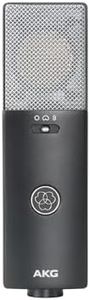
AKG Pro Audio C414 XLII Studio Grade Professional Large Diaphragm, Dual-Capsule, Vocal and Instrument Condenser Microphone with Rugged Aluminum Carrying Case. XLR Connector. Gray with Gold
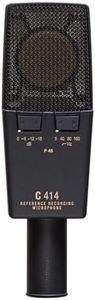
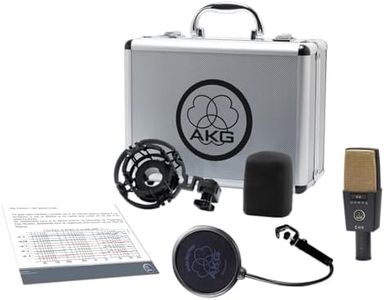
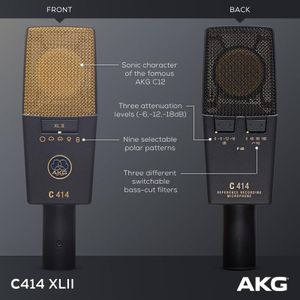
AKG Pro Audio C414 XLII Studio Grade Professional Large Diaphragm, Dual-Capsule, Vocal and Instrument Condenser Microphone with Rugged Aluminum Carrying Case. XLR Connector. Gray with Gold
Logitech Creators Blue Yeti USB Microphone for PC, Mac, Gaming, Streaming, Podcasting, Studio and Computer Condenser Mic with Blue VO!CE Effects, 4 Pickup Patterns, Plug and Play - Midnight Blue
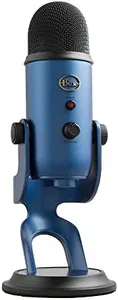


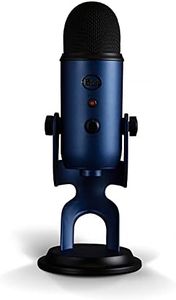

Logitech Creators Blue Yeti USB Microphone for PC, Mac, Gaming, Streaming, Podcasting, Studio and Computer Condenser Mic with Blue VO!CE Effects, 4 Pickup Patterns, Plug and Play - Midnight Blue
RØDE NT1 Signature Series Large-Diaphragm Condenser Microphone with Shock Mount, Pop Filter and XLR Cable for Music Production, Vocal Recording, Streaming and Podcasting (Blue, NOT USB Microphone)
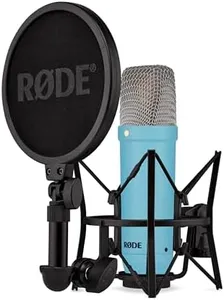



RØDE NT1 Signature Series Large-Diaphragm Condenser Microphone with Shock Mount, Pop Filter and XLR Cable for Music Production, Vocal Recording, Streaming and Podcasting (Blue, NOT USB Microphone)
Related Products
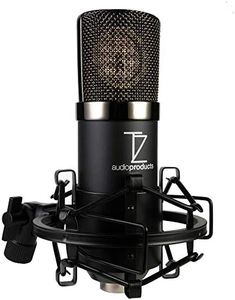
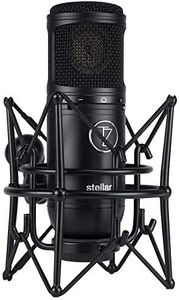
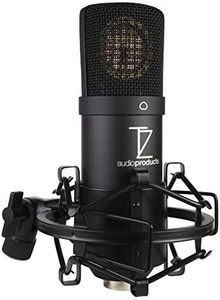
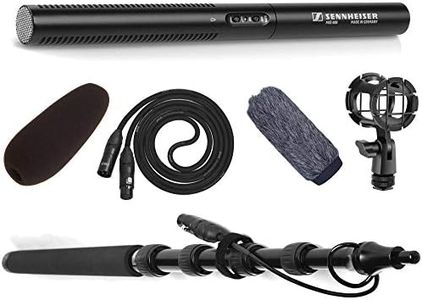
Neumann U 87 Ai Large-Diaphragm Condenser Microphone - Nickel
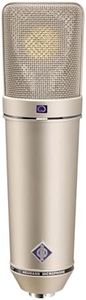
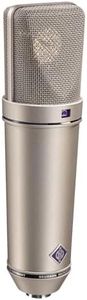
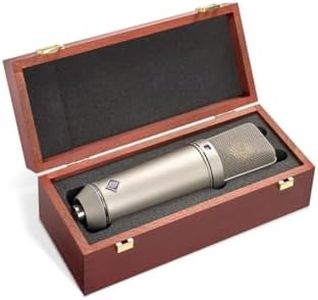
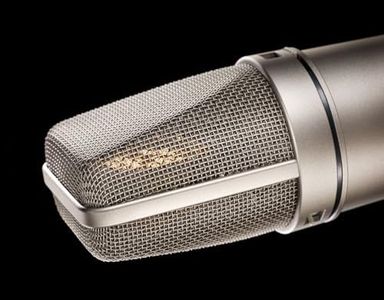
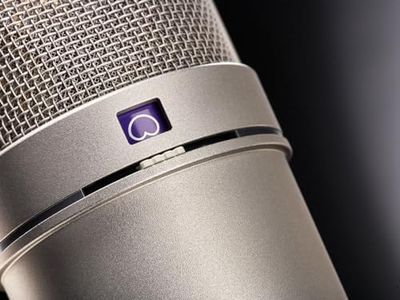
Neumann U 87 Ai Large-Diaphragm Condenser Microphone - Nickel
RØDE NT1 Signature Series Large-Diaphragm Condenser Microphone with Shock Mount, Pop Filter and XLR Cable for Music Production, Vocal Recording, Streaming and Podcasting (Red)
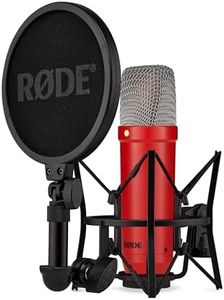

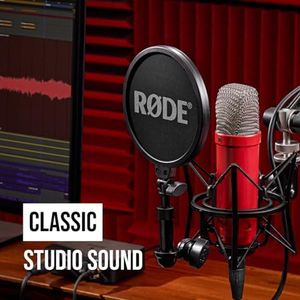
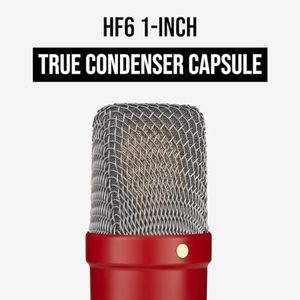

RØDE NT1 Signature Series Large-Diaphragm Condenser Microphone with Shock Mount, Pop Filter and XLR Cable for Music Production, Vocal Recording, Streaming and Podcasting (Red)
AKG Pro Audio C414 XLS Studio Grade Professional Large Diaphragm Vocal and Instrument Condenser Microphone with Rugged Aluminum Carrying Case. XLR Connector. Gray with Gold
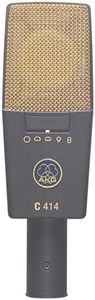
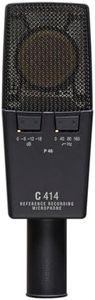
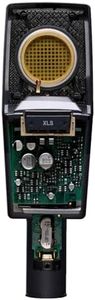

AKG Pro Audio C414 XLS Studio Grade Professional Large Diaphragm Vocal and Instrument Condenser Microphone with Rugged Aluminum Carrying Case. XLR Connector. Gray with Gold
RØDE NT1 Signature Series Large-Diaphragm Condenser Microphone with Shock Mount, Pop Filter and XLR Cable for Music Production, Vocal Recording, Streaming and Podcasting (Black)
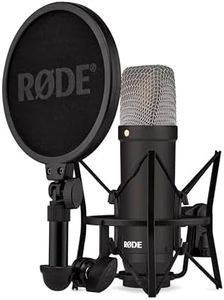
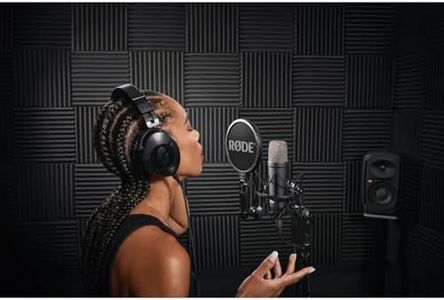


RØDE NT1 Signature Series Large-Diaphragm Condenser Microphone with Shock Mount, Pop Filter and XLR Cable for Music Production, Vocal Recording, Streaming and Podcasting (Black)
Rode NT1 5th Generation Condenser Microphone with SM6 Shockmount and Pop Filter,Silver
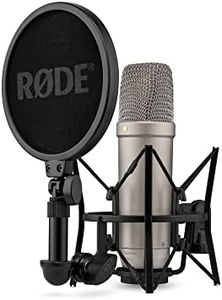
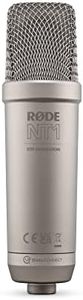
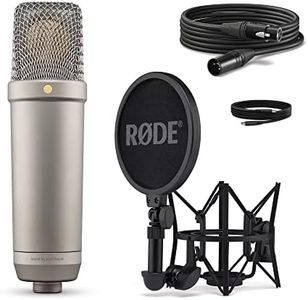
Rode NT1 5th Generation Condenser Microphone with SM6 Shockmount and Pop Filter,Silver
Our technology thoroughly searches through the online shopping world, reviewing hundreds of sites. We then process and analyze this information, updating in real-time to bring you the latest top-rated products. This way, you always get the best and most current options available.

Our Top Picks
Winner
Neumann U87Ai Set Z Multi-Pattern Large Condenser Microphone
The U87Ai Set Z Multi-Pattern Large Condenser Microphone is a renowned choice for those in need of a versatile and high-performance microphone, particularly in studio settings. One of its standout strengths is the balanced frequency response, which captures sound accurately across a wide range, making it ideal for vocals and instruments alike. The ability to switch between three polar patterns—omni, cardioid, and figure-8—allows users to adapt to different recording environments and techniques, enhancing its versatility. With a low self-noise level of 38 dB and a high sensitivity rating of 127 dB, it effectively captures even the quietest sounds without introducing unwanted noise, which is crucial for professional recordings.
In terms of design, its champagne color and sturdy metal construction give it a classic look, appealing to those who value aesthetics as well as functionality. The included mute function and voice-activated recording capabilities are added benefits that enhance usability during various recording sessions. This microphone is best suited for musicians, vocalists, and audio engineers who are looking for a high-quality, reliable microphone that excels in studio environments and can adapt to various recording techniques.
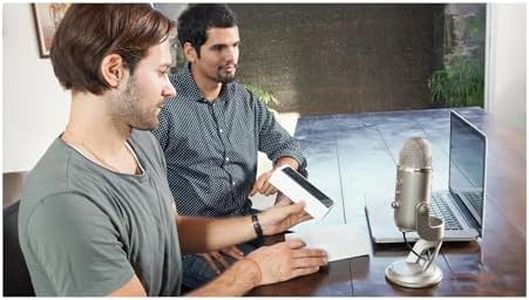
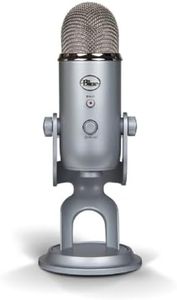
Logitech Creators Blue Yeti USB Microphone for PC, Mac, Gaming, Recording, Streaming, Podcasting, Studio and Computer Condenser Mic with Blue VO!CE Effects, 4 Pickup Patterns, Plug and Play - Silver
Most important from
56926 reviews
The Logitech Blue Yeti is a very popular USB condenser microphone that suits a variety of uses including gaming, streaming, podcasting, and music recording. Its frequency response covers the full range of human hearing (20Hz to 20kHz), which means it can capture both deep bass and clear highs well. It offers four different polar patterns (cardioid, omni, bidirectional, and stereo), giving you great flexibility to record solo voices, multiple people, or instruments without needing several microphones. The mic’s sensitivity and signal-to-noise ratio are strong, resulting in clear and detailed sound with minimal background noise, which is essential for professional-sounding recordings. One advantage is the built-in Blue VO!CE software that enhances vocal quality and adds effects, making it easier to achieve a polished sound.
The microphone is powered via USB, making setup simple—just plug it into your computer and start recording immediately, with no extra power supply needed. Onboard controls let you adjust volume, mute, gain, and pickup patterns directly on the mic, giving you full control without complicated software. The adjustable stand and positionable design help you find the best angle for your voice, and the zero-latency headphone monitoring means you can hear yourself in real time without any annoying delay. The mic’s metal build adds durability, but it weighs a bit over 3 pounds, so it’s best suited for desktop use rather than handheld. The Blue Yeti generally handles loud sounds well enough for most home recording needs.
This microphone represents a solid choice for those seeking a versatile, easy-to-use USB condenser mic with good audio quality and useful features for streaming and recording, although it may not have some of the advanced specifications found in professional studio microphones.
Most important from
56926 reviews
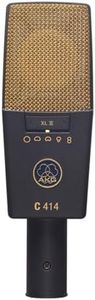
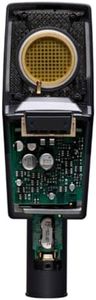
AKG Pro Audio C414 XLII Studio Grade Professional Large Diaphragm, Dual-Capsule, Vocal and Instrument Condenser Microphone with Rugged Aluminum Carrying Case. XLR Connector. Gray with Gold
Most important from
251 reviews
The AKG C414 XLII is a professional-grade large diaphragm condenser microphone designed for vocals and instruments, offering impressive versatility. It covers a wide frequency range of 20 Hz to 20 kHz, capturing clear and detailed sound across low to high tones. One of its standout features is the nine selectable polar patterns, including cardioid, figure eight, and omnidirectional, allowing you to tailor the mic’s pickup to different recording situations, whether you’re in a studio or doing live sound.
The sensitivity rating (23 mV/Pa) is strong, meaning it picks up even subtle nuances well, while the low self-noise level (6 dB-A) helps keep recordings clean and free of hiss. It can handle loud sound sources up to 158 dB SPL, so it works with everything from soft vocals to loud instruments without distortion. The mic’s solid aluminum body and included accessories like the shock mount and pop filter add to its durability and usability. It connects via a standard XLR cable and requires phantom power, typical for condenser mics.
A minor consideration is its weight and size, which are a bit larger than some simpler models, but this is common for high-end studio mics. Its price is toward the premium side, making it best suited for serious musicians, professional studios, or dedicated hobbyists who want excellent sound and flexibility. For those seeking a reliable, high-fidelity microphone with multiple pattern options and rugged build quality, the AKG C414 XLII meets these needs very well.