10 Best Budget Bookshelf Speakers 2026 in the United States
Winner
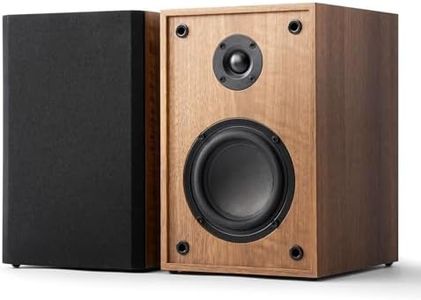
PreSonus Eris Accent BT 60W Powered Bookshelf Bluetooth Speakers – Studio Monitors for Turntable, Home, 4" Woofer, Silk Tweeter, USB-C, Optical, RCA, Coax, Remote, Sub Out, Wired Option, Wood Grain
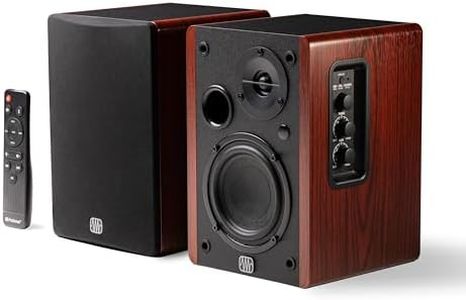

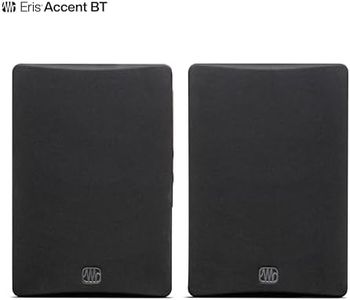

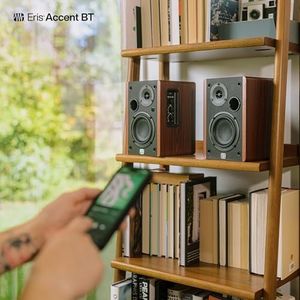
PreSonus Eris Accent BT 60W Powered Bookshelf Bluetooth Speakers – Studio Monitors for Turntable, Home, 4" Woofer, Silk Tweeter, USB-C, Optical, RCA, Coax, Remote, Sub Out, Wired Option, Wood Grain
Chosen by 1282 this week
Edifier MR3 Powered Studio Monitor Speakers, Hi-Res Audio Certified Bluetooth V5.4 Active Bookshelf Loudspeakers, 2.0 Computer Speaker with Headphone Output RCA AUX Balanced TRS Input (White)
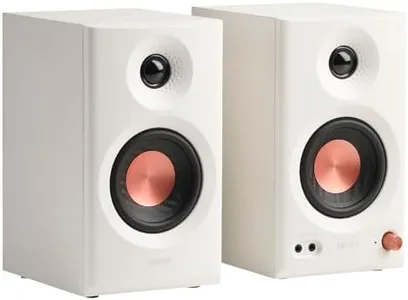
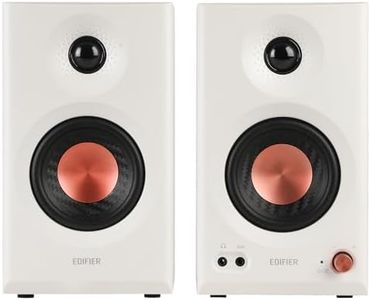
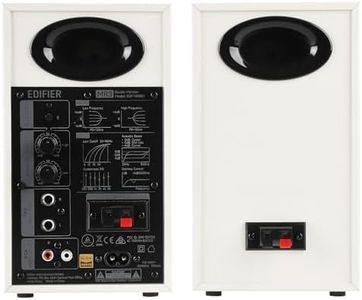
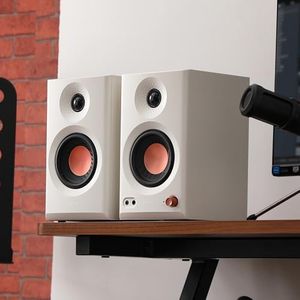
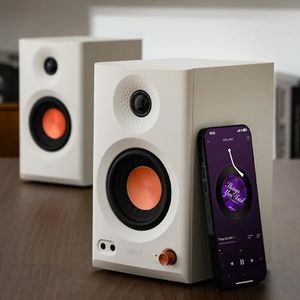
Edifier MR3 Powered Studio Monitor Speakers, Hi-Res Audio Certified Bluetooth V5.4 Active Bookshelf Loudspeakers, 2.0 Computer Speaker with Headphone Output RCA AUX Balanced TRS Input (White)
JBL L82 Classic MKII Bookshelf Speaker - Pair (Orange)
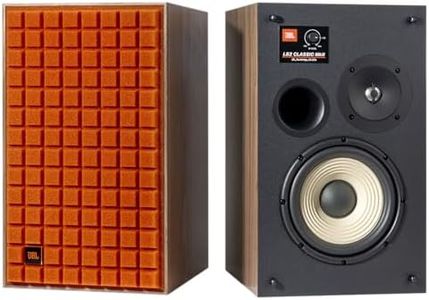
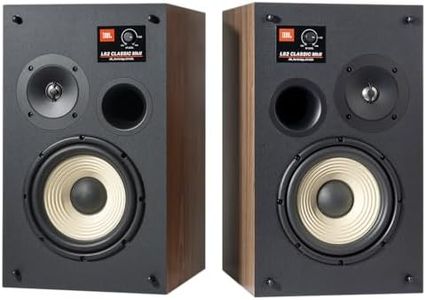
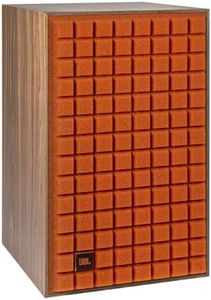
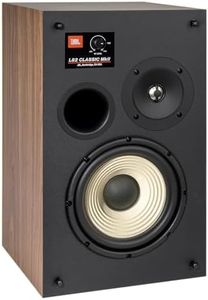
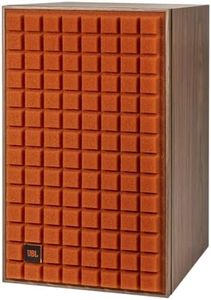
JBL L82 Classic MKII Bookshelf Speaker - Pair (Orange)
Yamaha HS4 Powered Studio Monitor in Black, Pair (HS4 B)
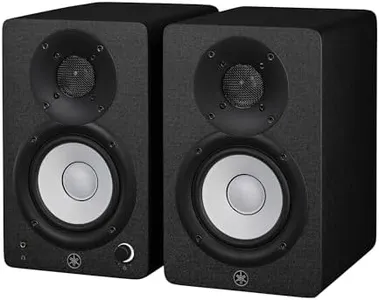


Yamaha HS4 Powered Studio Monitor in Black, Pair (HS4 B)
YAMAHA Hs5 Powered Studio Monitor, Pair


YAMAHA Hs5 Powered Studio Monitor, Pair
Related Products
Up to 31% off
Polk Audio Signature Elite ES20 Bookshelf Speakers - Pair (Walnut)
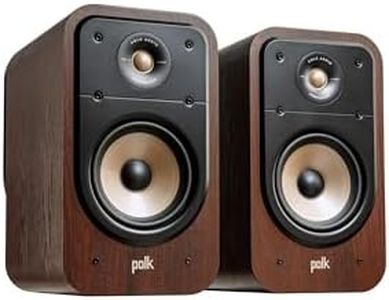
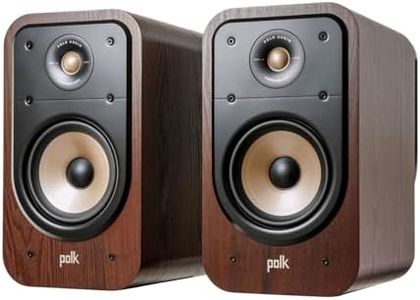
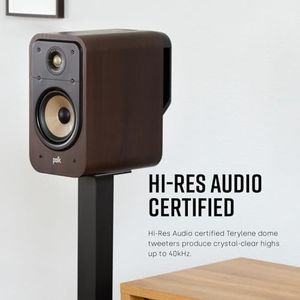
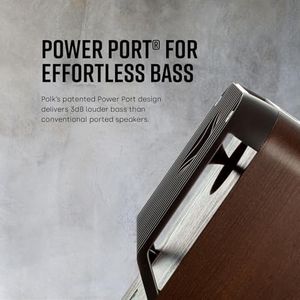
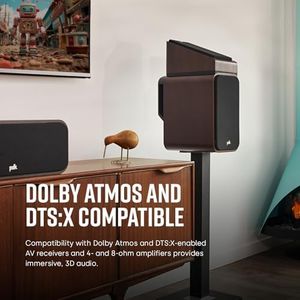
Polk Audio Signature Elite ES20 Bookshelf Speakers - Pair (Walnut)
Edifier MR5 2.0 Studio Monitor Bookshelf Speakers, 110W(RMS), Hi-Res Audio, Bluetooth 6.0, 3-Way Active Design, Room Compensation, XLR/TRS/RCA Inputs, Compact Size for Home Studio & Music - Black


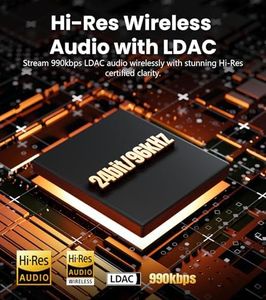
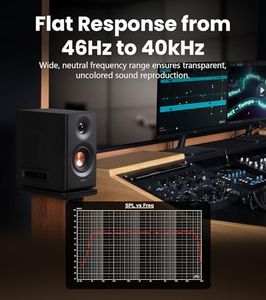

Edifier MR5 2.0 Studio Monitor Bookshelf Speakers, 110W(RMS), Hi-Res Audio, Bluetooth 6.0, 3-Way Active Design, Room Compensation, XLR/TRS/RCA Inputs, Compact Size for Home Studio & Music - Black
Klipsch Reference Premiere RP-600M II Ebony Bookshelf Speakers

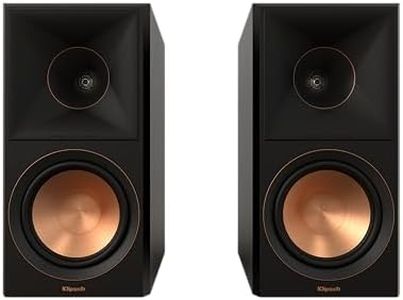
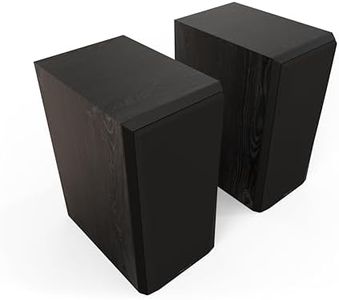
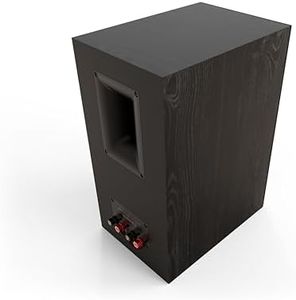
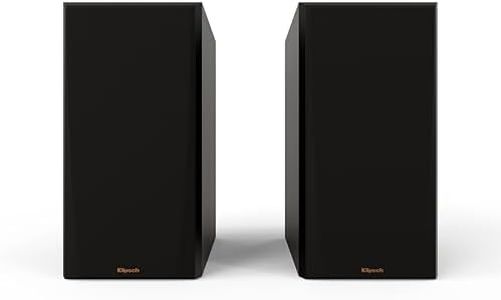
Klipsch Reference Premiere RP-600M II Ebony Bookshelf Speakers
Polk Monitor XT20 Pair of Bookshelf or Surround Sound Speakers - Hi-Res Audio Certified, Dolby Atmos & DTS:X Compatible, 1" Terylene Tweeter & 6.5" Dynamically Balanced Woofer (Pair, Midnight Black)
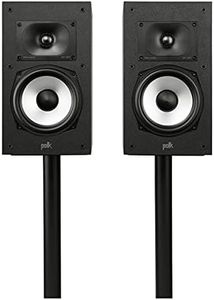
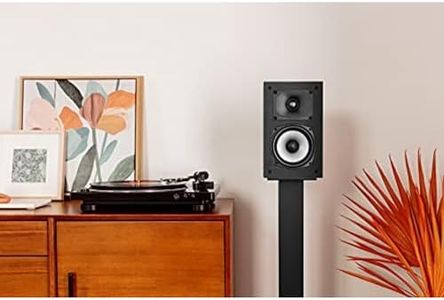
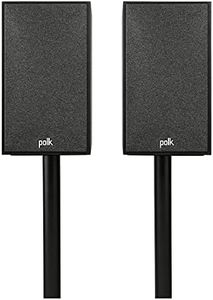
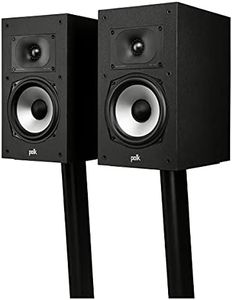
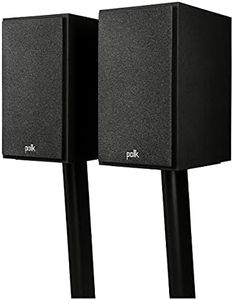
Polk Monitor XT20 Pair of Bookshelf or Surround Sound Speakers - Hi-Res Audio Certified, Dolby Atmos & DTS:X Compatible, 1" Terylene Tweeter & 6.5" Dynamically Balanced Woofer (Pair, Midnight Black)
Polk Audio Reserve R200 Large Bookshelf Speaker for Dynamic, Detailed Home Theater Audio, 1" Pinnacle Ring Tweeter & 6.5" Turbine Cone Woofer, Dolby Atmos & IMAX Enhanced, Wall Mountable, Black

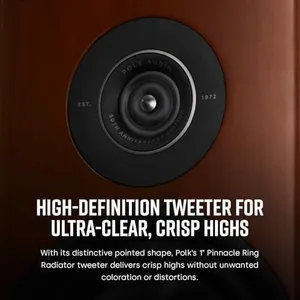

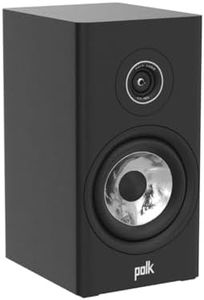
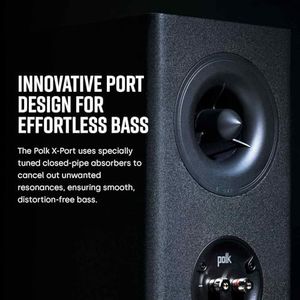
Polk Audio Reserve R200 Large Bookshelf Speaker for Dynamic, Detailed Home Theater Audio, 1" Pinnacle Ring Tweeter & 6.5" Turbine Cone Woofer, Dolby Atmos & IMAX Enhanced, Wall Mountable, Black

Our technology thoroughly searches through the online shopping world, reviewing hundreds of sites. We then process and analyze this information, updating in real-time to bring you the latest top-rated products. This way, you always get the best and most current options available.

Our Top Picks
Winner
PreSonus Eris Accent BT 60W Powered Bookshelf Bluetooth Speakers – Studio Monitors for Turntable, Home, 4" Woofer, Silk Tweeter, USB-C, Optical, RCA, Coax, Remote, Sub Out, Wired Option, Wood Grain
Most important from
53 reviews
The PreSonus Eris Accent BT speakers are a solid choice for anyone looking for budget-friendly bookshelf speakers that can double as studio monitors. With 60 watts of total power (30W per speaker), they offer clear and balanced sound, covering a wide frequency range from 55Hz to 20kHz. This means you’ll get good bass depth, detailed mids, and crisp highs, thanks to the 4-inch woofer paired with a silk dome tweeter. The speakers also come with useful front-panel controls allowing you to adjust volume, bass, and treble to match your listening preferences. Connectivity is a standout feature here: besides Bluetooth 5.3 for wireless streaming, you have plenty of wired options like USB-C, optical, RCA, AUX, and coaxial inputs. Plus, there's an RCA subwoofer output if you want to add extra bass with a subwoofer later.
The wood grain finish and materials like silk and paper cones give them a nicer look and decent build quality for the price. One downside is that the frequency response starts at 55Hz, which might not deliver the deepest bass compared to larger speakers, but this is common for compact bookshelf designs. Also, while the speakers provide 88 dB peak volume, they may not fill very large rooms with sound as power is moderate. The included remote and easy setup make them convenient for home or small studio use.
These speakers are well suited for users who want versatile, decent-quality audio for music, movies, or casual creative work, without spending too much.
Most important from
53 reviews
Edifier MR3 Powered Studio Monitor Speakers, Hi-Res Audio Certified Bluetooth V5.4 Active Bookshelf Loudspeakers, 2.0 Computer Speaker with Headphone Output RCA AUX Balanced TRS Input (White)
Most important from
656 reviews
The Edifier MR3 are budget-friendly powered bookshelf speakers designed especially for home studios, audio production, and everyday listening. They deliver a wide frequency response from 52Hz up to 40kHz, which means you get a clear and accurate sound that covers most music and audio details well. With 18 watts per speaker (36W total), these speakers offer enough volume for small to medium rooms, producing a peak sound pressure level of 92.5dB—loud but not overwhelming. The 3.5-inch mid-low drivers combined with 1-inch tweeters create balanced sound across lows and highs, though the driver size is modest compared to larger studio monitors, so very deep bass may be less pronounced.
The build uses MDF cabinets that help reduce distortion, contributing to cleaner audio quality, which is important for mixing or critical listening. Connectivity is a strong point here: you can connect via Bluetooth 5.4, RCA, AUX, or balanced TRS inputs, making these speakers versatile for computers, smartphones, and audio gear. The inclusion of a headphone output adds convenience for private listening sessions. Plus, the EDIFIER ConneX app allows you to switch sound modes and customize EQ settings easily, tailoring the speakers' sound to music, monitoring, or personal preferences.
One potential downside is that the power output and driver size may limit their performance in larger rooms or for users seeking very powerful bass. Also, while the Bluetooth feature is useful, some audiophiles might prefer strictly wired connections for studio accuracy. The speakers are not waterproof and meant mainly for indoor use. The Edifier MR3 speakers are a solid choice for budget-conscious users who want accurate, customizable sound with flexible connectivity in a compact, well-built package, making them well-suited for home studios, casual music listening, and multimedia use.
Most important from
656 reviews
JBL L82 Classic MKII Bookshelf Speaker - Pair (Orange)
Most important from
2 reviews
The JBL L82 Classic MKII bookshelf speakers stand out with their attractive vintage-inspired design, featuring a satin walnut wood veneer cabinet that adds a warm, nostalgic look to any room. They are relatively large for bookshelf speakers, weighing 28 pounds and measuring about 18.6 inches, which might suit those who appreciate a substantial presence rather than very compact speakers.
JBL rates these speakers for a maximum output power of 150 watts, indicating they can handle decent volume levels without strain, which is good for typical home listening rooms. The wooden enclosure suggests solid build quality, enhancing sound resonance and durability.
These speakers may appeal most to users who want a stylish, robust option with good power handling for general music enjoyment without demanding detailed technical specs. If you prioritize clear technical data or need compact size, these might not be the ideal choice.