10 Best Binoculars For Stargazing 2026 in the United States
Winner
SWAROVSKI OPTIK NL Pure 14x52 Binoculars, Wide Field of View, High-Magnification Optics for Long-Range Hunting and Observation, Green
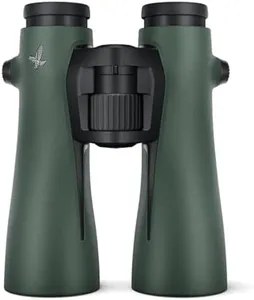
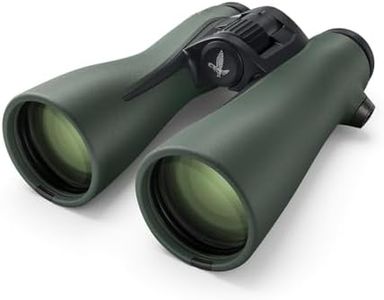
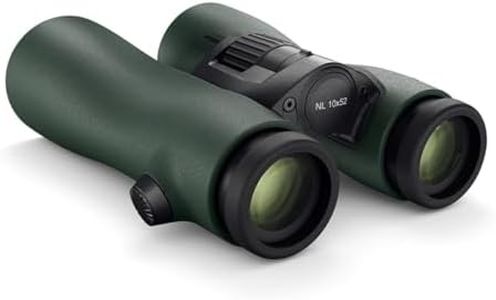
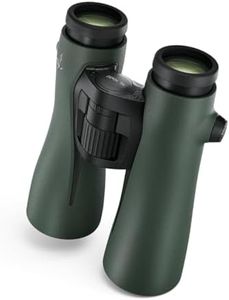
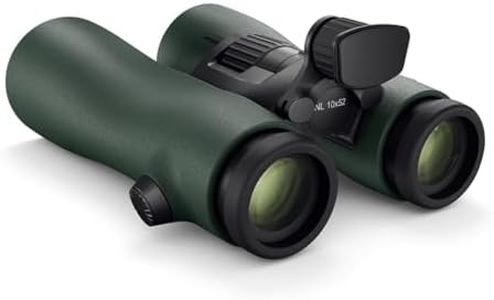
SWAROVSKI OPTIK NL Pure 14x52 Binoculars, Wide Field of View, High-Magnification Optics for Long-Range Hunting and Observation, Green
Chosen by 1101 this week
Swarovski NL Pure 12x42 Binoculars w/FSB Sidebag, Strap, Eyepiece, Lens Cover and Cleaning Kit 36012
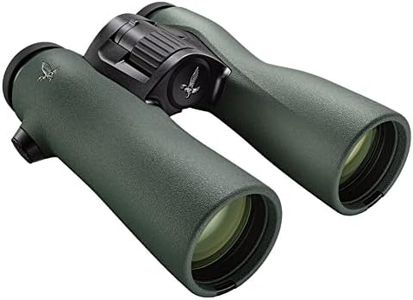


Swarovski NL Pure 12x42 Binoculars w/FSB Sidebag, Strap, Eyepiece, Lens Cover and Cleaning Kit 36012
Swarovski NL Pure 8x42 Binoculars w/FSB Sidebag, Strap, Eyepiece, Lens Cover and Cleaning Kit 36008
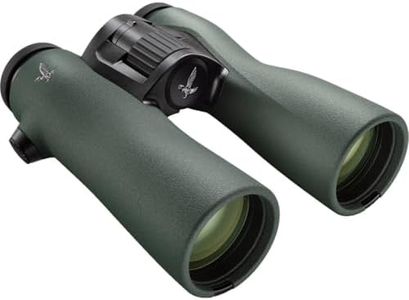

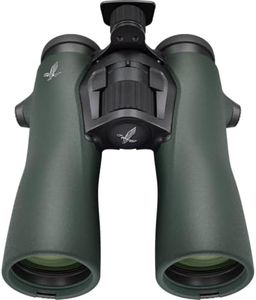
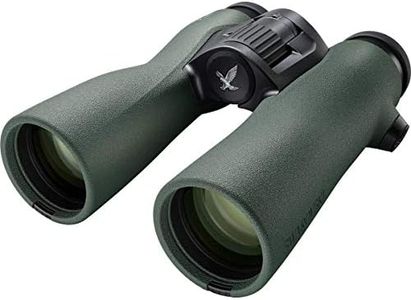
Swarovski NL Pure 8x42 Binoculars w/FSB Sidebag, Strap, Eyepiece, Lens Cover and Cleaning Kit 36008
Swarovski Optik AX Visio 10x32 Smart Binocular
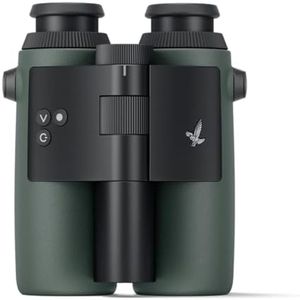
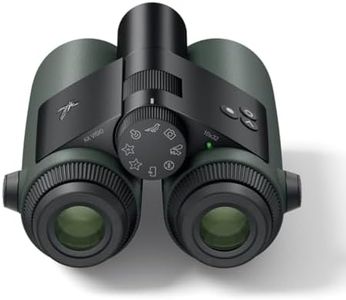
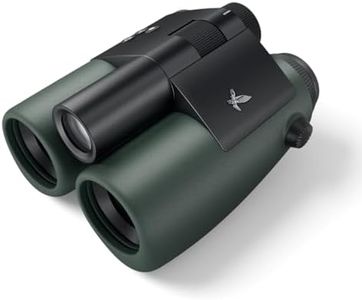
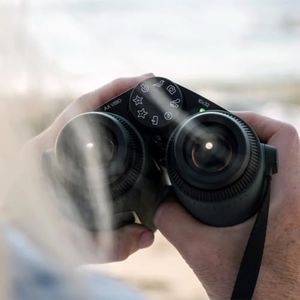
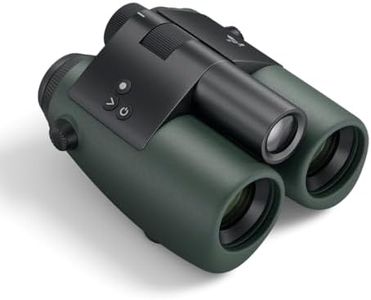
Swarovski Optik AX Visio 10x32 Smart Binocular
Swarovski Optik EL Range TA 12x42 Rangefinder Binocular (72018)
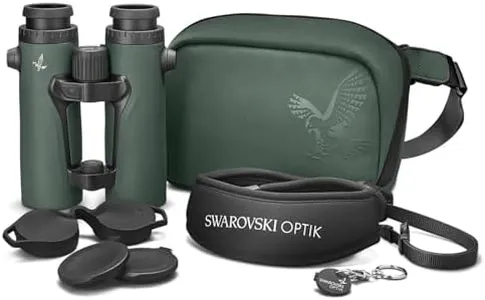
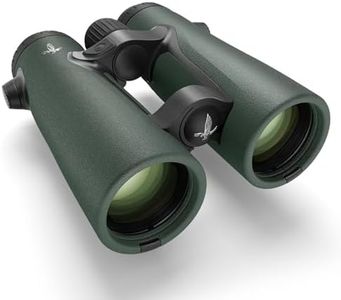
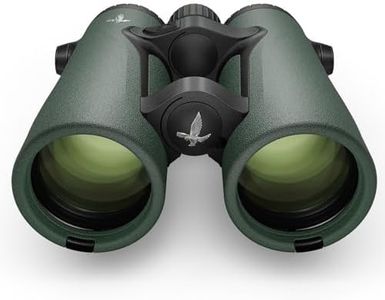
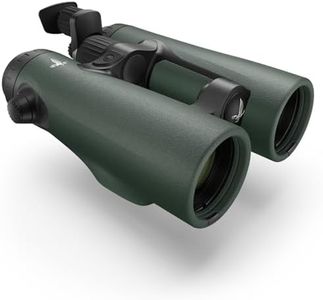
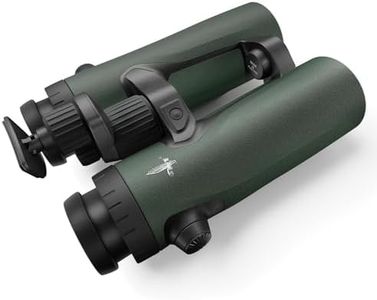
Swarovski Optik EL Range TA 12x42 Rangefinder Binocular (72018)
Related Products
Up to 13% off
Leica 40093 Ultravid 8 x 42 HD Plus (Black)
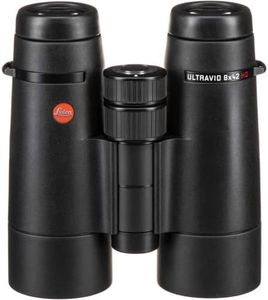
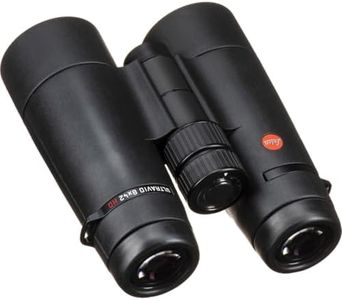
Leica 40093 Ultravid 8 x 42 HD Plus (Black)
Vortex Diamondback HD 10x42 Binoculars (Mossy Oak Bottomland)
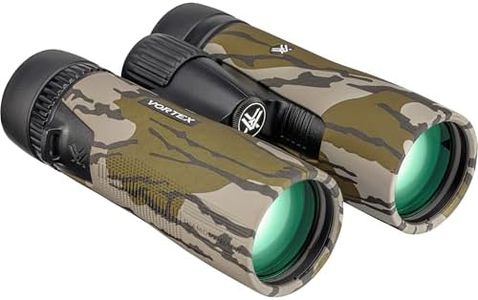
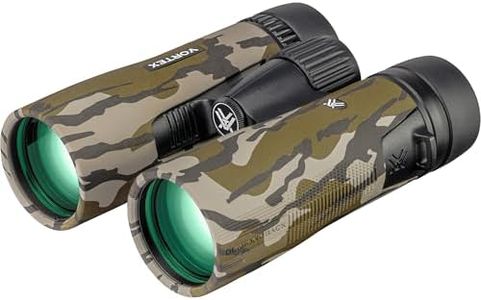
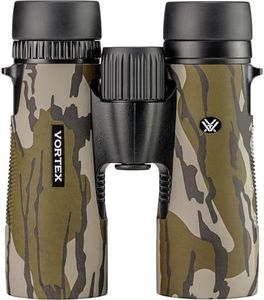
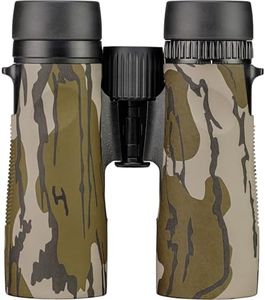
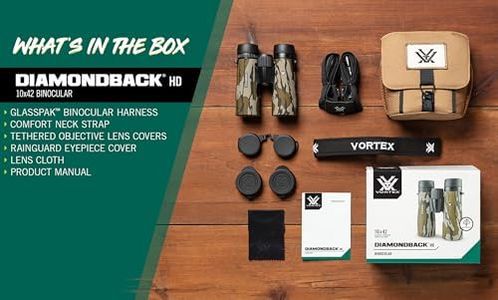
Vortex Diamondback HD 10x42 Binoculars (Mossy Oak Bottomland)
ZEISS SFL Binoculars Compact with Ultra-High Definition Coated Glass 10x50
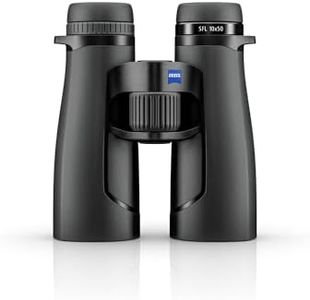
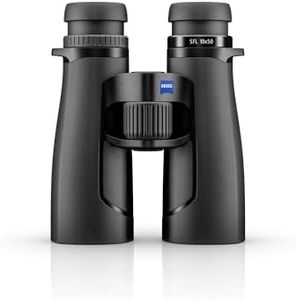
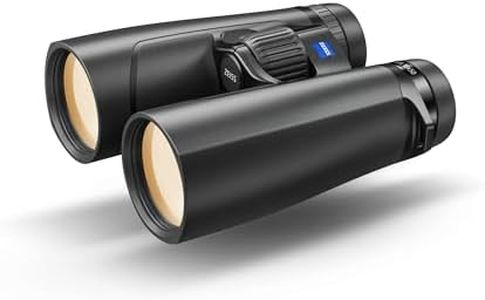
ZEISS SFL Binoculars Compact with Ultra-High Definition Coated Glass 10x50
Swarovski Optik SLC 15x56 Binoculars, High-Magnification HD Optics for Long-Range Wildlife and Landscape Observation, Green
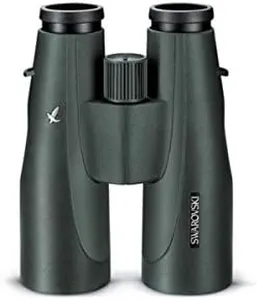

Swarovski Optik SLC 15x56 Binoculars, High-Magnification HD Optics for Long-Range Wildlife and Landscape Observation, Green
Leica Ultravid 8x32 HD Plus Binoculars with Hdc Lens Coating, Black
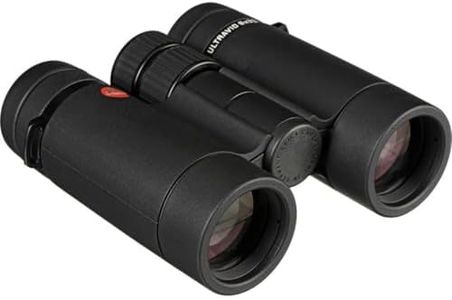
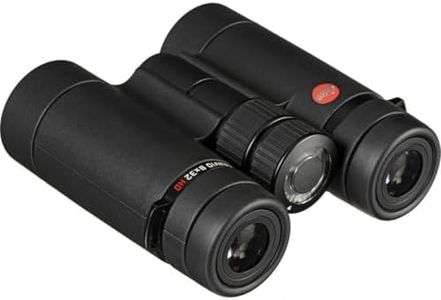
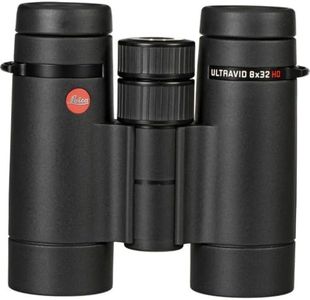
Leica Ultravid 8x32 HD Plus Binoculars with Hdc Lens Coating, Black
Our technology thoroughly searches through the online shopping world, reviewing hundreds of sites. We then process and analyze this information, updating in real-time to bring you the latest top-rated products. This way, you always get the best and most current options available.

Our Top Picks
Winner
SWAROVSKI OPTIK NL Pure 14x52 Binoculars, Wide Field of View, High-Magnification Optics for Long-Range Hunting and Observation, Green
The SWAROVSKI Optik NL Pure 14x52 binoculars are a high-quality choice for stargazing enthusiasts who want sharp, bright views of distant objects. Their 14x magnification makes it easier to see celestial details, while the 52 mm objective lenses gather plenty of light, which is key for viewing stars and planets in low-light conditions. The wide 7-degree field of view helps you scan the night sky without constantly moving the binoculars too much. Thanks to special coatings and roof prisms, the images come through clear and distortion-free, giving you crisp views.
Comfort is also a plus here—the unique design fits well in your hands, making it easier to hold steady during longer stargazing sessions, and you can attach them to a tripod for even better stability. On the downside, these binoculars weigh around 3.6 pounds, which might feel heavy for some users during extended use without a tripod. Also, they aren’t water resistant, so extra care is needed if you use them outdoors in damp conditions.
Though primarily aimed at bird watching, their optical quality and brightness make them well-suited for stargazing, especially for users who want detailed views rather than a super wide panoramic sky. For those seeking a durable, premium option with excellent light-gathering ability and sharpness, these binoculars represent a solid pick, but the weight and lack of water resistance should be considered.
Swarovski NL Pure 12x42 Binoculars w/FSB Sidebag, Strap, Eyepiece, Lens Cover and Cleaning Kit 36012
Most important from
42 reviews
The Swarovski NL Pure 12x42 binoculars are a high-quality choice for stargazing, thanks to their powerful 12x magnification and 42mm objective lenses. This size offers a good balance between brightness and detail, allowing you to see celestial objects more clearly without making the binoculars too heavy or bulky. The field of view is fairly wide at 6.4 degrees (about 339 feet at 1000 yards), which helps in tracking stars and spotting constellations with ease.
The exit pupil of 3.5mm is adequate for nighttime use, providing enough light for clear images in low-light conditions, although larger exit pupils might perform better in very dark skies. Swarovski’s SWAROVISION coatings enhance color accuracy and brightness, delivering sharp and vivid views that bring out fine details. The roof prism design keeps the binoculars compact and rugged, and their magnesium body ensures they are both lightweight (under 2 pounds) and sturdy, making them comfortable to hold during extended viewing sessions. The focus mechanism is smooth and precise, which is helpful when focusing on distant stars.
One small downside is the absence of the functional side bag (FSB) in this package, which might be convenient for carrying accessories. Also, while these binoculars excel in optical quality, the 12x magnification can be a bit challenging to keep steady without a tripod in very dark conditions. These binoculars are well-suited for adults seeking a premium stargazing experience with sharp, bright views and a comfortable, durable design.
Most important from
42 reviews
Swarovski NL Pure 8x42 Binoculars w/FSB Sidebag, Strap, Eyepiece, Lens Cover and Cleaning Kit 36008
Most important from
28 reviews
The Swarovski NL Pure 8x42 binoculars are a strong choice for stargazing enthusiasts who want excellent image quality and ease of use. With 8x magnification and a 42mm objective lens, they provide a bright and clear view of the night sky, capturing fine details while still being easy to hold steady. The field of view is quite wide at 8.8 degrees (around 477 feet at 1000 yards), which helps you scan star clusters and constellations without constantly adjusting the binoculars. The 5.25mm exit pupil is bright enough for most stargazing conditions, especially in reasonably dark skies. Their roof prism design and advanced SWAROVISION coatings ensure sharp, high-contrast images with true-to-life colors, reducing glare and improving clarity.
The magnesium housing keeps them lightweight (about 1.85 pounds) and durable for comfortable extended use. The focus knob is smooth and precise, aiding easy adjustments at night. While 8x magnification is generally good for stargazing beginners and intermediate users, it may be less powerful than some specialized astronomy binoculars that offer higher magnification for detailed moon or planet viewing. Also, the price and premium build may be more than casual users need. Considering the weight and size, they are portable but not pocket-sized. For those who value top-tier optics, wide views, and rugged comfort in a binocular for stargazing or nature use, these stand out as a premium option.