10 Best Laptops For Programming 2026 in the United States
Winner
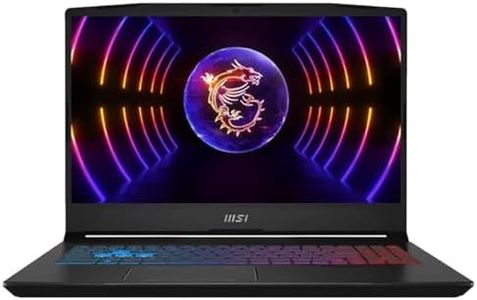
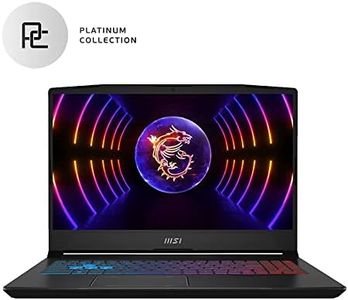
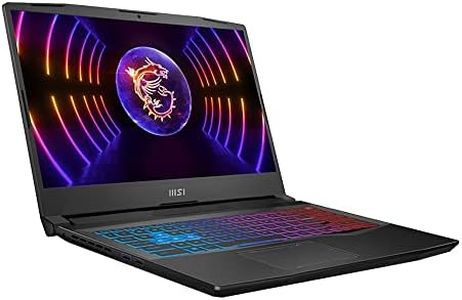
msi Katana 15 15.6” 165Hz QHD Gaming Laptop: Intel Core i7-13620H, NVIDIA Geforce RTX 4070, 16GB DDR5, 1TB NVMe SSD, Cooler Boost 5, Win 11: Black B13VGK-2000US
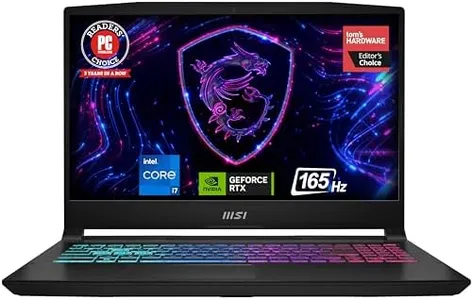


msi Katana 15 15.6” 165Hz QHD Gaming Laptop: Intel Core i7-13620H, NVIDIA Geforce RTX 4070, 16GB DDR5, 1TB NVMe SSD, Cooler Boost 5, Win 11: Black B13VGK-2000US
Chosen by 1143 this week
msi Thin 15 15.6” 144Hz FHD Gaming Laptop: Intel Core i7-12650H, NVIDIA Geforce RTX 4050, 16GB DDR5, 512GB NVMe SSD, Cooler Boost 5, Win 11: Black B12VE-2023US
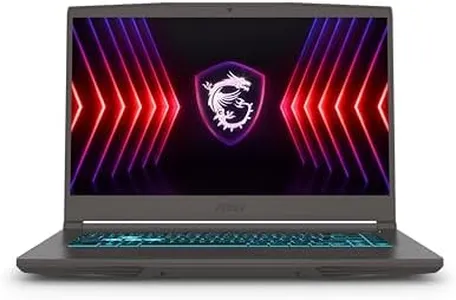
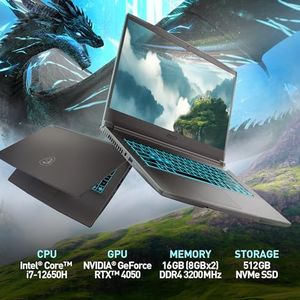
msi Thin 15 15.6” 144Hz FHD Gaming Laptop: Intel Core i7-12650H, NVIDIA Geforce RTX 4050, 16GB DDR5, 512GB NVMe SSD, Cooler Boost 5, Win 11: Black B12VE-2023US
Dell Inspiron 16 5645 Laptop - 16.0 16:10 FHD+ (1920 x 1200) Display, AMD Ryzen 7-8840U, 16GB DDR5 RAM, 1TB SSD, AMD Radeon Graphics, Windows 11 Home, Onsite & Migrate Services - Midnight Blue

Dell Inspiron 16 5645 Laptop - 16.0 16:10 FHD+ (1920 x 1200) Display, AMD Ryzen 7-8840U, 16GB DDR5 RAM, 1TB SSD, AMD Radeon Graphics, Windows 11 Home, Onsite & Migrate Services - Midnight Blue
Lenovo IdeaPad 1 Student Laptop, Intel Dual Core Processor, 20GB RAM, 1TB SSD + 128GB eMMC, 15.6" FHD Display, 1 Year Office 365, Windows 11 Home, Wi-Fi 6, Webcam, Bluetooth, SD Card Reader, Grey


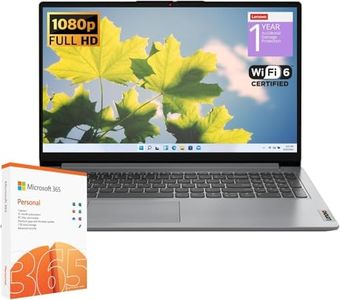

Lenovo IdeaPad 1 Student Laptop, Intel Dual Core Processor, 20GB RAM, 1TB SSD + 128GB eMMC, 15.6" FHD Display, 1 Year Office 365, Windows 11 Home, Wi-Fi 6, Webcam, Bluetooth, SD Card Reader, Grey
Dell Inspiron 15 3000 3520 Business Laptop Computer[Windows 11 Pro], 15.6'' FHD Touchscreen, 11th Gen Intel Quad-Core i5-1135G7, 16GB RAM, 1TB PCIe SSD, Numeric Keypad, Wi-Fi, Webcam, HDMI, Black
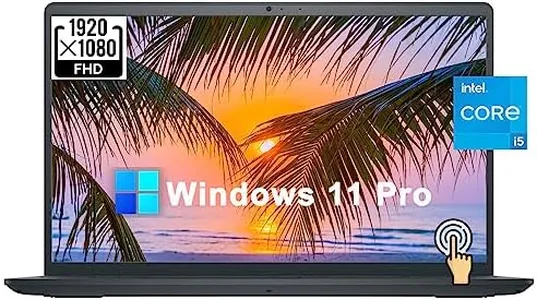


Dell Inspiron 15 3000 3520 Business Laptop Computer[Windows 11 Pro], 15.6'' FHD Touchscreen, 11th Gen Intel Quad-Core i5-1135G7, 16GB RAM, 1TB PCIe SSD, Numeric Keypad, Wi-Fi, Webcam, HDMI, Black
Related Products
Up to 14% off
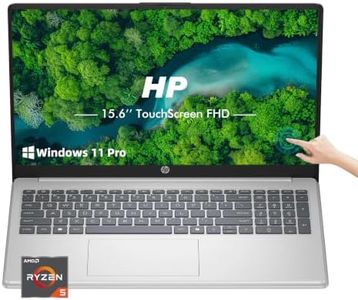
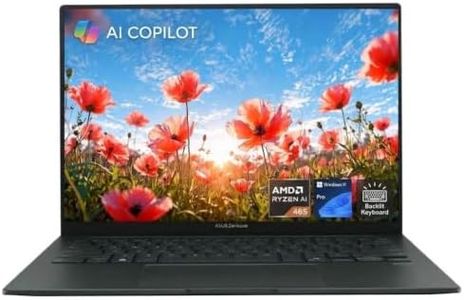
Lenovo V15 Laptop, 15.6" FHD Display, AMD Ryzen 5 5500U Hexa-core Processor (Beat Intel i7-1065G7), 16GB RAM, 1TB SSD, HDMI, RJ45, Numeric Keypad, Wi-Fi, Windows 11 Pro, Black


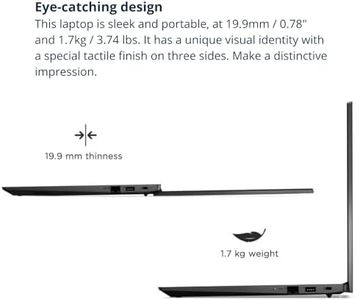
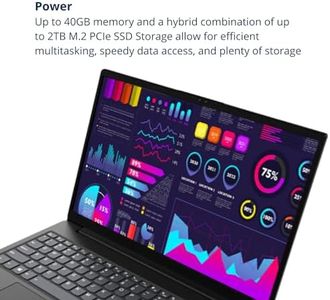
Lenovo V15 Laptop, 15.6" FHD Display, AMD Ryzen 5 5500U Hexa-core Processor (Beat Intel i7-1065G7), 16GB RAM, 1TB SSD, HDMI, RJ45, Numeric Keypad, Wi-Fi, Windows 11 Pro, Black




Our technology thoroughly searches through the online shopping world, reviewing hundreds of sites. We then process and analyze this information, updating in real-time to bring you the latest top-rated products. This way, you always get the best and most current options available.

Our Top Picks
Winner
msi Katana 15 15.6” 165Hz QHD Gaming Laptop: Intel Core i7-13620H, NVIDIA Geforce RTX 4070, 16GB DDR5, 1TB NVMe SSD, Cooler Boost 5, Win 11: Black B13VGK-2000US
Most important from
588 reviews
The MSI Katana 15 is a powerful laptop ideal for programming with its 13th Gen Intel Core i7 processor, which ensures fast and efficient performance for compiling code and running applications. The 16GB DDR5 RAM offers sufficient memory for multitasking and handling complex programming tasks. Additionally, the 1TB NVMe SSD provides ample storage space and quick access to files and software, which is beneficial when dealing with large datasets or multiple projects simultaneously.
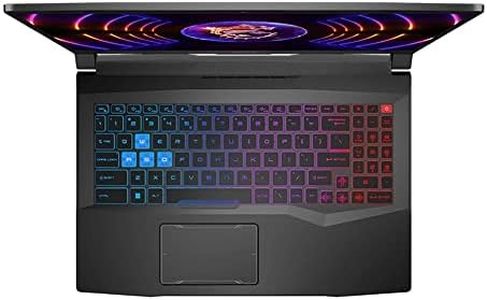
The 15.6-inch QHD display with a 165Hz refresh rate offers sharp visuals and a smooth experience, which can help reduce eye strain during long coding sessions. The backlit keyboard is a useful feature for programming in low-light environments, although the key travel and typing comfort would need to be checked based on personal preference. Battery life averages around 10 hours, giving decent mobility for working on the go. The laptop runs on Windows 11 Home, which supports a wide range of development tools and environments.
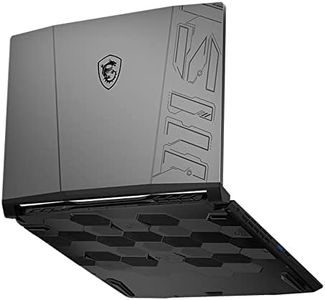
One of the drawbacks is its weight, at nearly 5 pounds, which could be cumbersome for frequent travel. Also, while its cooling system is robust, it might produce noticeable noise during intensive tasks. While designed for gaming, its specs make it a great fit for programming professionals who need high performance and reliability.
Most important from
588 reviews
msi Thin 15 15.6” 144Hz FHD Gaming Laptop: Intel Core i7-12650H, NVIDIA Geforce RTX 4050, 16GB DDR5, 512GB NVMe SSD, Cooler Boost 5, Win 11: Black B12VE-2023US
Most important from
182 reviews
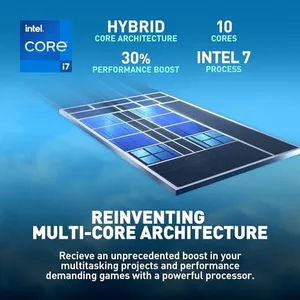
The MSI Thin 15 is a strong contender for programmers who want a powerful yet sleek laptop. It features a 12th Gen Intel Core i7 processor and 16GB of fast DDR5 RAM, which means it can handle demanding coding environments, multitasking, and running virtual machines smoothly. The 512GB NVMe SSD offers quick storage access, though some users might need extra space for large projects or files.
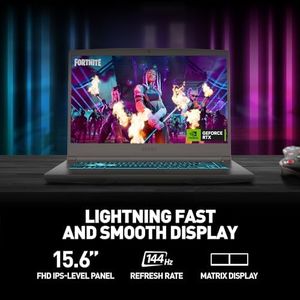
Its 15.6-inch Full HD display with a 144Hz refresh rate is usually marketed for gaming but can benefit programmers by offering smooth visuals and reducing eye strain during long coding sessions. The backlit keyboard is a plus for working in low-light conditions, enhancing comfort and productivity. Running Windows 11 Home, it supports most programming tools and software without issues, though professionals might prefer Windows 11 Pro for extra security features.
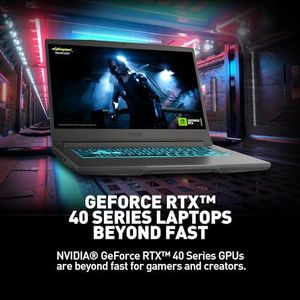
The laptop weighs around 7.4 pounds, which makes it less portable than lighter ultrabooks if you travel frequently. The inclusion of an RTX 4050 graphics card is more gaming-focused and may not be fully necessary for most programming tasks unless you also do graphics-intensive work like game development or AI programming. This laptop is a solid choice for programmers who value strong performance and a high-quality display, especially if portability and extended battery life are less critical.
Most important from
182 reviews
Dell Inspiron 16 5645 Laptop - 16.0 16:10 FHD+ (1920 x 1200) Display, AMD Ryzen 7-8840U, 16GB DDR5 RAM, 1TB SSD, AMD Radeon Graphics, Windows 11 Home, Onsite & Migrate Services - Midnight Blue
Most important from
252 reviews
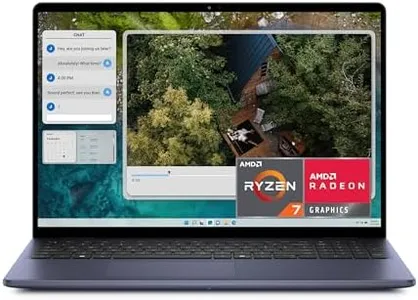
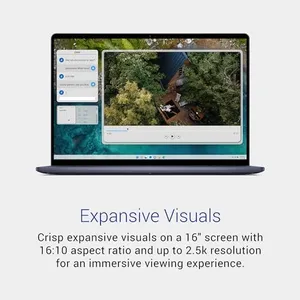
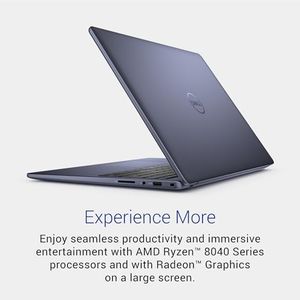
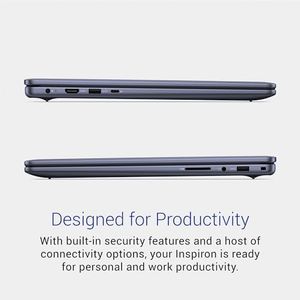
The Dell Inspiron 16 5645 is a solid choice for programming thanks to its powerful AMD Ryzen 7 processor and 16GB of fast DDR5 RAM, which handle coding environments and multitasking smoothly. With a spacious 1TB SSD, you get plenty of quick storage for your projects and software. Its 16-inch 16:10 Full HD+ display offers extra vertical space, which is great for viewing more lines of code without scrolling. The full-size keyboard with a number pad provides a comfortable typing experience, essential for extended coding sessions. It also includes a fingerprint reader for quick, secure logins. Running Windows 11 Home, it supports modern software and multitasking tools that programmers may appreciate.
Battery life isn’t explicitly detailed but expect decent performance given the efficiency of the Ryzen 7 CPU. The laptop weighs about 4.7 pounds, which might be a bit heavy if you need something highly portable. The integrated AMD Radeon graphics are adequate for programming but not suited for graphic-intensive tasks or gaming. The lack of an optical drive is common and unlikely to be an issue. Its military-grade testing and security features add reliability and data protection, appealing for business or personal use. This Inspiron model suits programmers who want strong processing power, a comfortable display, and a reliable build but don’t need dedicated graphics or ultra-lightweight portability.